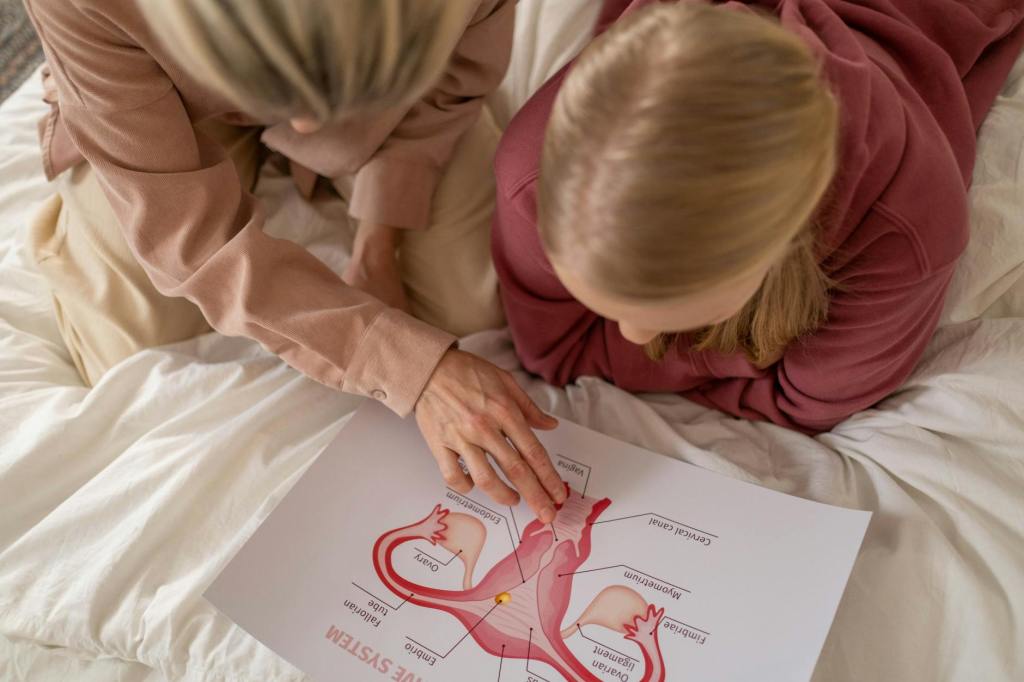
Hormones play a powerful role in regulating many functions in the body. They influence metabolism, mood, energy levels, sleep patterns, and reproductive health.
When hormones are balanced, the body functions smoothly. However, when hormone levels rise or fall outside their normal range, a condition known as hormonal imbalance can occur.
Hormonal imbalance is surprisingly common and can affect women at different stages of life, including puberty, pregnancy, and menopause.
Recognizing the signs early can help you take steps to protect your reproductive health and overall well-being.
Understanding Hormones and Reproductive Health
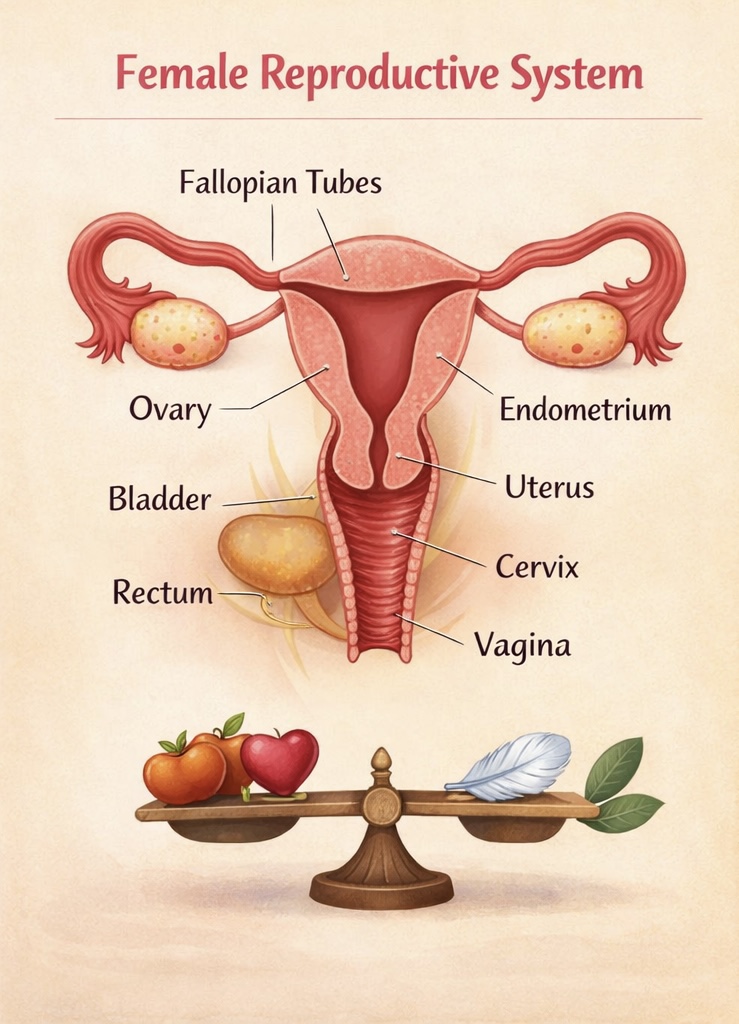
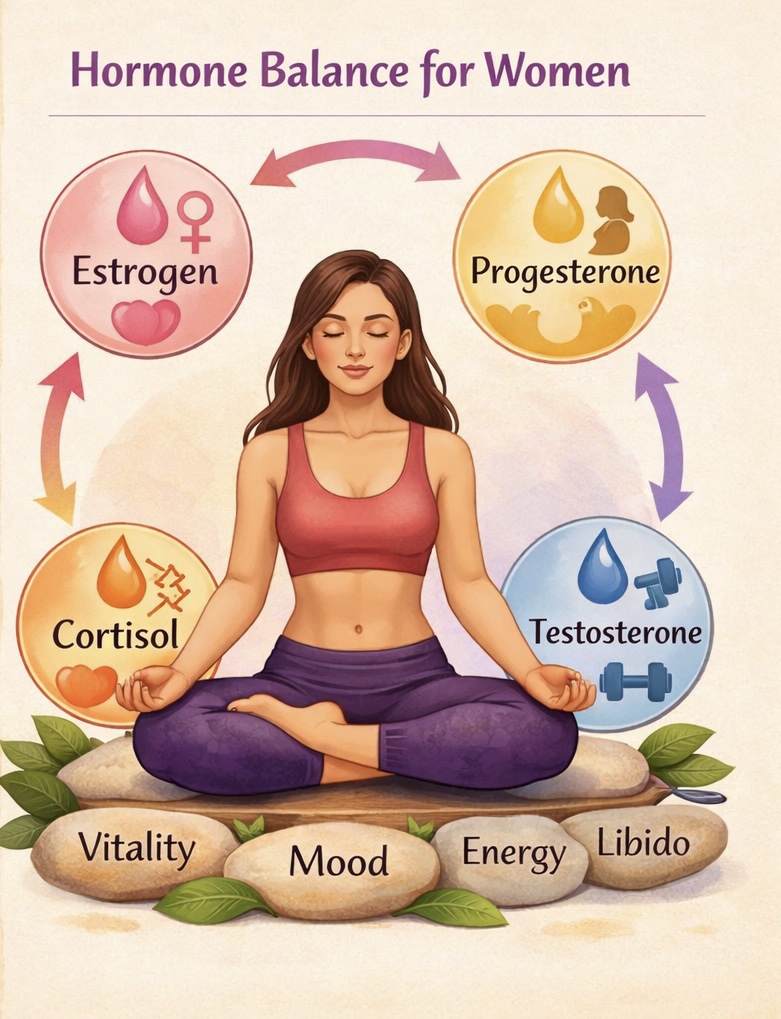
Hormones are chemical messengers produced by glands in the endocrine system. These hormones travel through the bloodstream and control various processes in the body.
In women, key reproductive hormones include:
- Estrogen
- Progesterone
- Testosterone
- Luteinizing hormone (LH)
- Follicle-stimulating hormone (FSH)
These hormones regulate the menstrual cycle, fertility, mood, and physical development.
When these hormones fall out of balance, the body often shows warning signs.
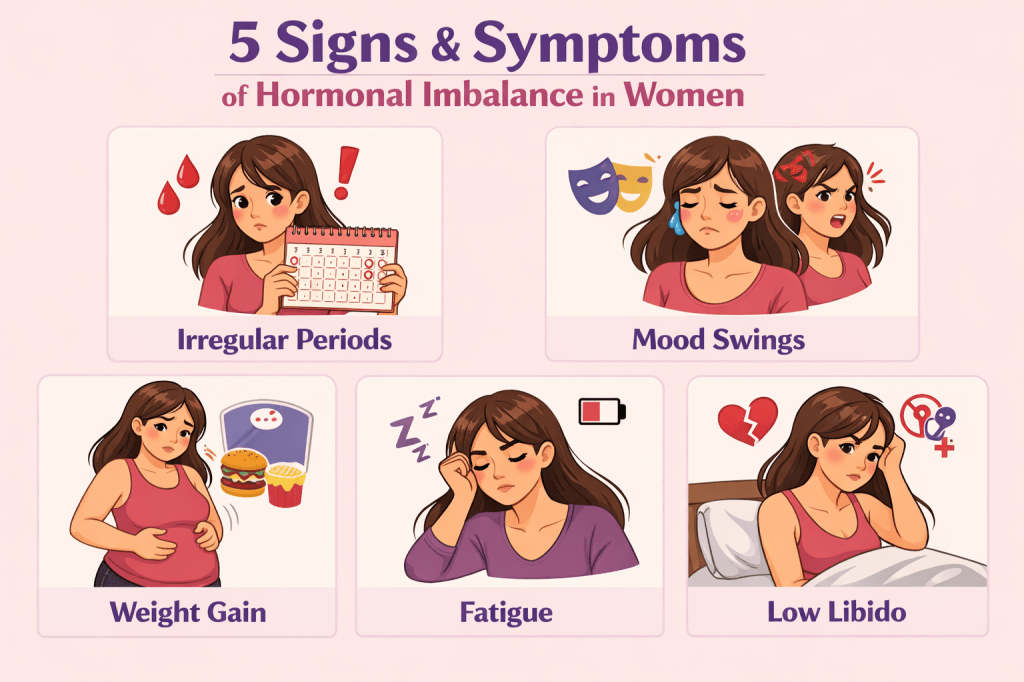
10 Signs of Hormonal Imbalance
1. Irregular Menstrual Cycles
One of the most common signs of hormonal imbalance is irregular periods.
A healthy menstrual cycle typically occurs every 21–35 days. If your periods are frequently late, early, unusually heavy, or completely absent, hormones may be the cause.
Hormonal conditions like polycystic ovary syndrome (PCOS) often disrupt menstrual cycles.
Quick Tip
Tracking your menstrual cycle can help identify patterns that may signal hormonal changes.
2. Persistent Fatigue
Constant tiredness despite adequate sleep can indicate hormonal imbalance.
Hormones like thyroid hormones and cortisol regulate energy levels. When they become imbalanced, the body may feel constantly exhausted.
Quick Tip
Balanced nutrition and regular sleep patterns can help stabilize energy-regulating hormones.
3. Unexplained Weight Gain
Hormonal imbalances often affect metabolism and fat storage.
For example:
- Insulin imbalance may increase fat storage
- Thyroid hormone issues may slow metabolism
- Cortisol imbalance may increase abdominal fat
These changes may cause weight gain even without major lifestyle changes.
4. Mood Swings and Anxiety
Hormones strongly influence brain chemistry and emotional regulation.
Fluctuations in estrogen and progesterone can lead to:
- Irritability
- Anxiety
- Mood swings
- Difficulty concentrating
These emotional changes are common during hormonal shifts such as PMS or menopause.
5. Acne and Skin Changes
Adult acne is another common sign of hormonal imbalance.
Hormonal fluctuations can increase oil production in the skin, leading to clogged pores and breakouts.
This is especially common during menstrual cycles or hormonal conditions like PCOS.
6. Sleep Problems
Hormones play a key role in regulating sleep patterns.
Imbalances in melatonin, cortisol, and progesterone can lead to:
- Insomnia
- Frequent waking during the night
- Poor sleep quality
Sleep disturbances can further worsen hormonal imbalance.
7. Hair Loss or Excess Hair Growth
Hormonal changes may also affect hair growth.
Symptoms may include:
- Hair thinning on the scalp
- Excess facial hair
- Hair growth on the chest or chin
These changes may be related to elevated androgen hormones.
8. Low Libido
Sex hormones such as estrogen and testosterone influence sexual desire.
When these hormones decrease, women may experience reduced libido or discomfort during intimacy.
Maintaining hormonal balance is essential for reproductive health and healthy relationships.
9. Digestive Problems
Hormones also influence the digestive system.
Imbalances may lead to:
- Bloating
- Constipation
- Digestive discomfort
Gut health and hormone health are closely connected.
10. Difficulty Getting Pregnant
Hormonal imbalance can affect ovulation and fertility.
If hormones regulating ovulation are disrupted, it may become difficult to conceive.
Many fertility challenges are linked to hormonal conditions affecting reproductive health.
Natural Ways to Restore Hormonal Balance
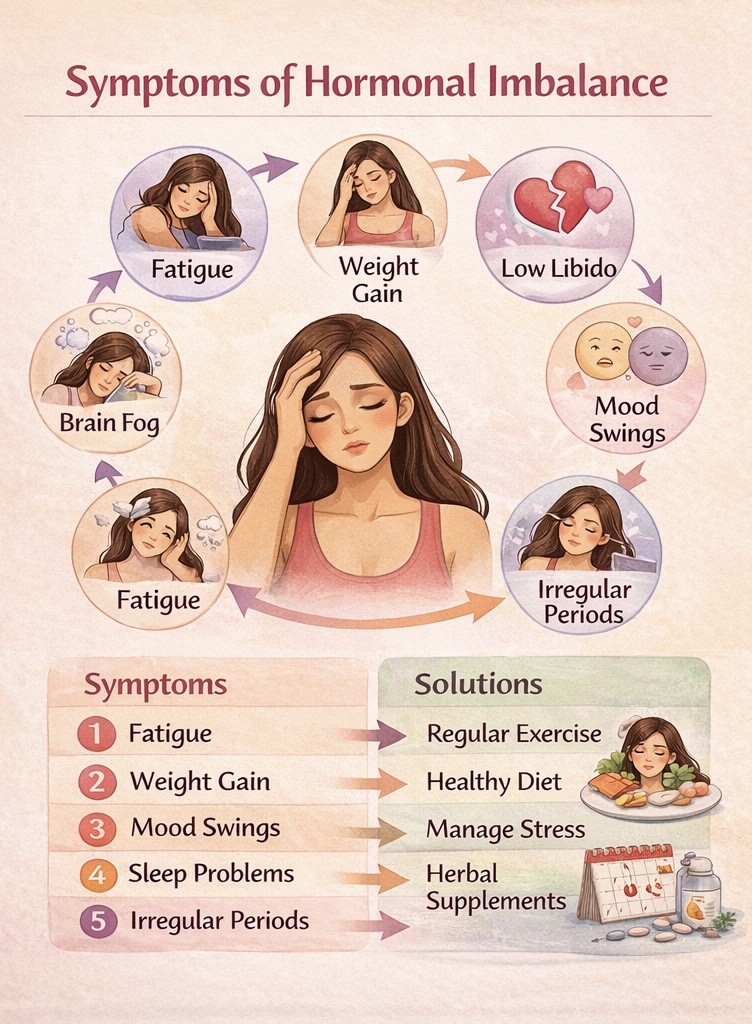
The good news is that several lifestyle habits can help support healthy hormone balance.
1. Improve Nutrition
Diet plays a major role in hormone health.
Focus on nutrient-rich foods such as:
- Fruits and vegetables
- Whole grains
- Healthy fats
- Lean proteins
Balanced nutrition supports hormone production and metabolism.
You can learn more about healthy eating in our guide on Healthy Nutrition Explained: What to Eat for Better Health.
2. Exercise Regularly
Regular physical activity improves hormone regulation and metabolism.
Exercise also reduces stress hormones and improves mood.
Try activities such as:
- Walking
- Strength training
- Yoga
- Cycling
For more tips, explore our fitness tips for a healthier lifestyle.
3. Manage Stress
Chronic stress increases cortisol levels, which can disrupt other hormones.
Practicing stress management techniques such as meditation, deep breathing, or mindfulness can help restore balance.
You can also read our article on how to manage stress naturally to improve mental wellbeing.
4. Get Quality Sleep
Sleep is essential for hormone regulation.
Aim for 7–9 hours of sleep each night to support hormone balance and reproductive health.
Creating a consistent sleep routine can improve sleep quality.
5. Maintain a Healthy Weight
Maintaining a healthy body weight helps regulate insulin, estrogen, and other hormones.
Balanced nutrition and regular exercise support long-term hormonal health.
Protecting Your Reproductive Health
Reproductive health is a vital part of overall wellbeing. Hormonal imbalances may affect energy levels, mood, metabolism, and fertility.
By paying attention to the signs your body gives you, you can take proactive steps to support hormonal balance.
Healthy lifestyle habits such as proper nutrition, regular exercise, stress management, and adequate sleep play a major role in maintaining hormone health.
Final Thoughts
Hormonal imbalance is more common than many people realize, but recognizing the symptoms early can help prevent more serious health problems.
By adopting healthy lifestyle habits and paying attention to your body’s signals, you can protect your reproductive health and maintain overall wellbeing.
Staying consistent with healthy habits requires discipline. Discover practical strategies in The Discipline Reset: 7 proven habits to build self-control.
Join the Conversation
Have you ever experienced symptoms of hormonal imbalance?
What lifestyle habits have helped improve your hormonal health?
Share your thoughts in the comments and help others learn from your experience.
 HealFit Growth
Leave a comment