Introduction
It sounds almost impossible.
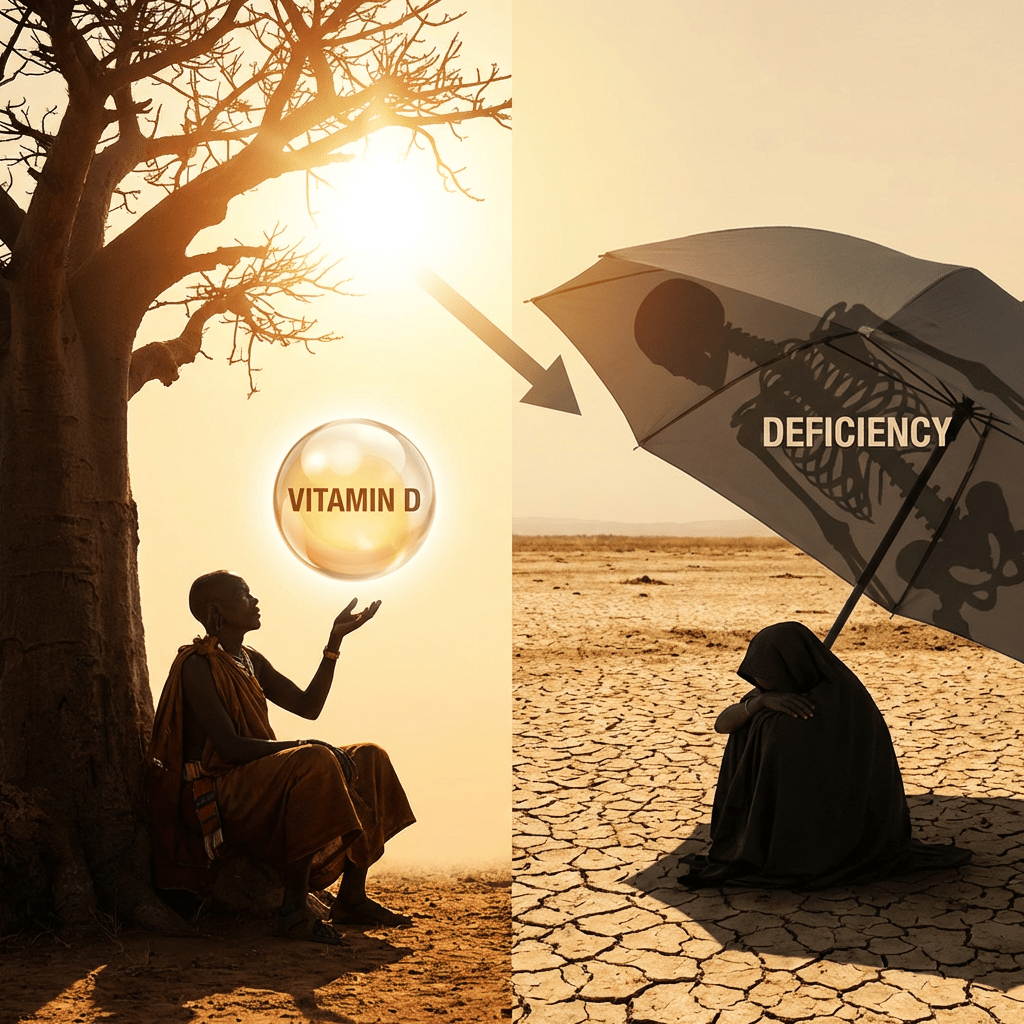
Africa is one of the sunniest regions in the world, blessed with abundant sunlight throughout the year. So why are millions of Africans still struggling with vitamin D deficiency?
You would expect the opposite—that people living in sunny environments naturally have optimal vitamin D levels. But research and growing health concerns reveal a surprising truth: sunlight alone does not guarantee sufficient vitamin D.
In fact, vitamin D deficiency is becoming increasingly common across Africa, contributing to fatigue, weakened immunity, poor bone health, and even mental health challenges.
If you’ve been feeling constantly tired, falling sick often, or dealing with unexplained body pain, this article might explain why.
What Is Vitamin D and Why Is It Important?
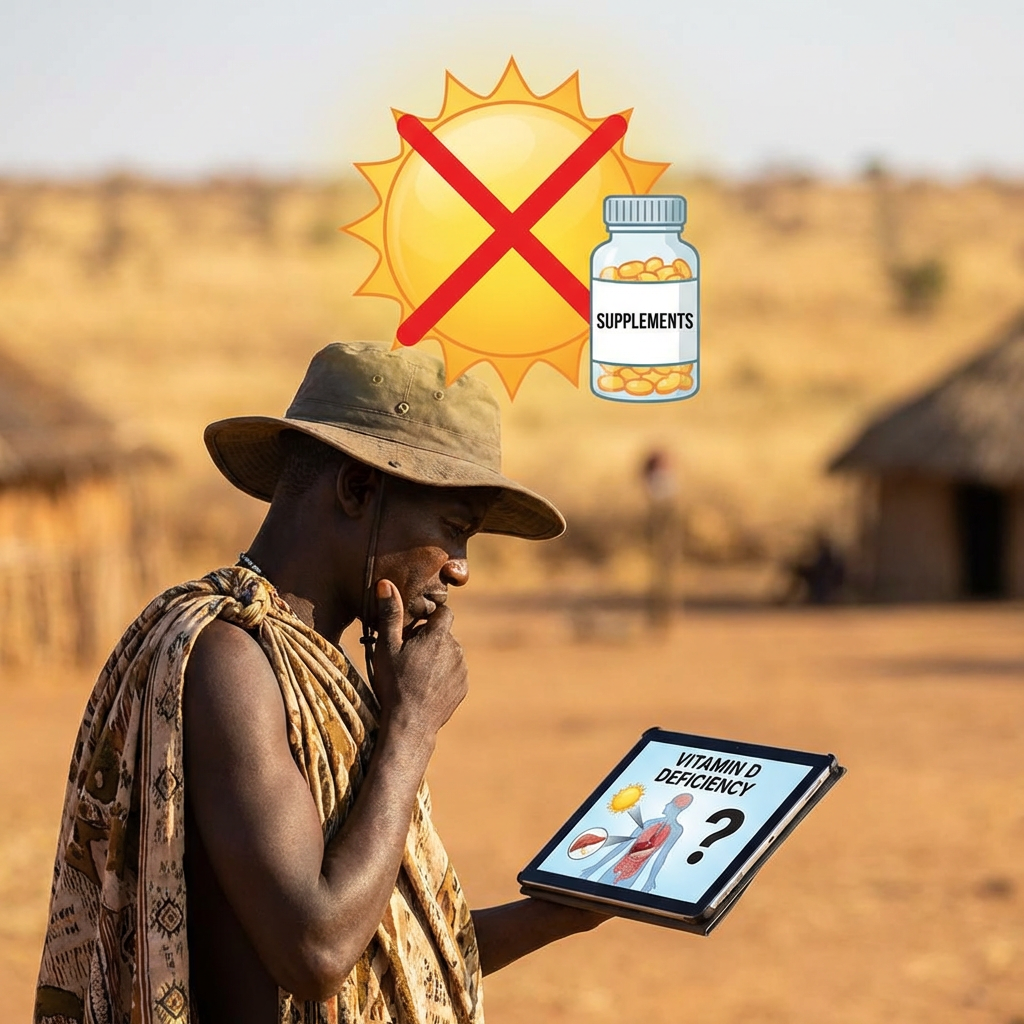
Vitamin D is a fat-soluble vitamin that your body produces when your skin is exposed to sunlight—specifically ultraviolet B (UVB) rays.
It plays a vital role in:
- Calcium absorption and bone strength
- Immune system support
- Muscle function
- Mood regulation
- Reducing inflammation
Without adequate vitamin D, your body cannot properly absorb calcium, leading to weak bones and a higher risk of fractures and long-term health issues.
Shocking Statistics About Vitamin D Deficiency in Africa
Despite abundant sunlight, studies suggest that vitamin D deficiency is far more widespread than people think.
- Research indicates that 30% to 80% of people in some African populations may have low vitamin D levels
- Urban populations show higher deficiency rates compared to rural communities
- Women and older adults are particularly at risk
- Globally, over 1 billion people are estimated to have vitamin D deficiency
These numbers challenge the assumption that living in a sunny environment automatically protects you.
The Shocking Truth: Why Africans Are Still Deficient
1. Darker Skin Reduces Vitamin D Production
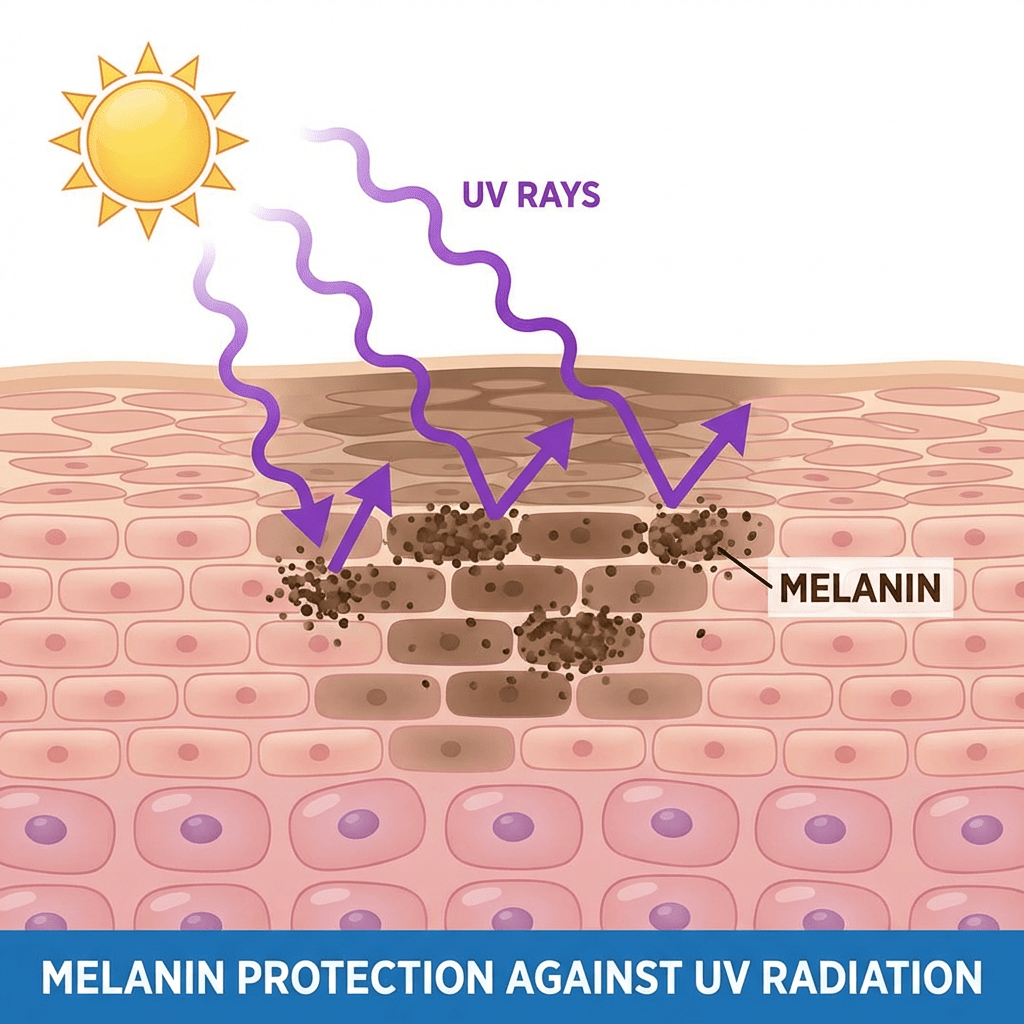
Melanin, which gives darker skin its rich color, acts as a natural protective barrier against harmful UV rays.
However, this protection comes with a trade-off:
- It reduces the skin’s ability to produce vitamin D
- People with darker skin may need 2–5 times more sun exposure to produce the same amount of vitamin D as lighter-skinned individuals
2. Urbanization and Indoor Living

Modern lifestyles have drastically changed how people interact with sunlight.
Many Africans now:
- Work in offices
- Spend long hours indoors
- Commute in vehicles
- Use digital devices for extended periods
Even in sunny cities, people may go days without meaningful sun exposure.
3. Cultural and Clothing Practices
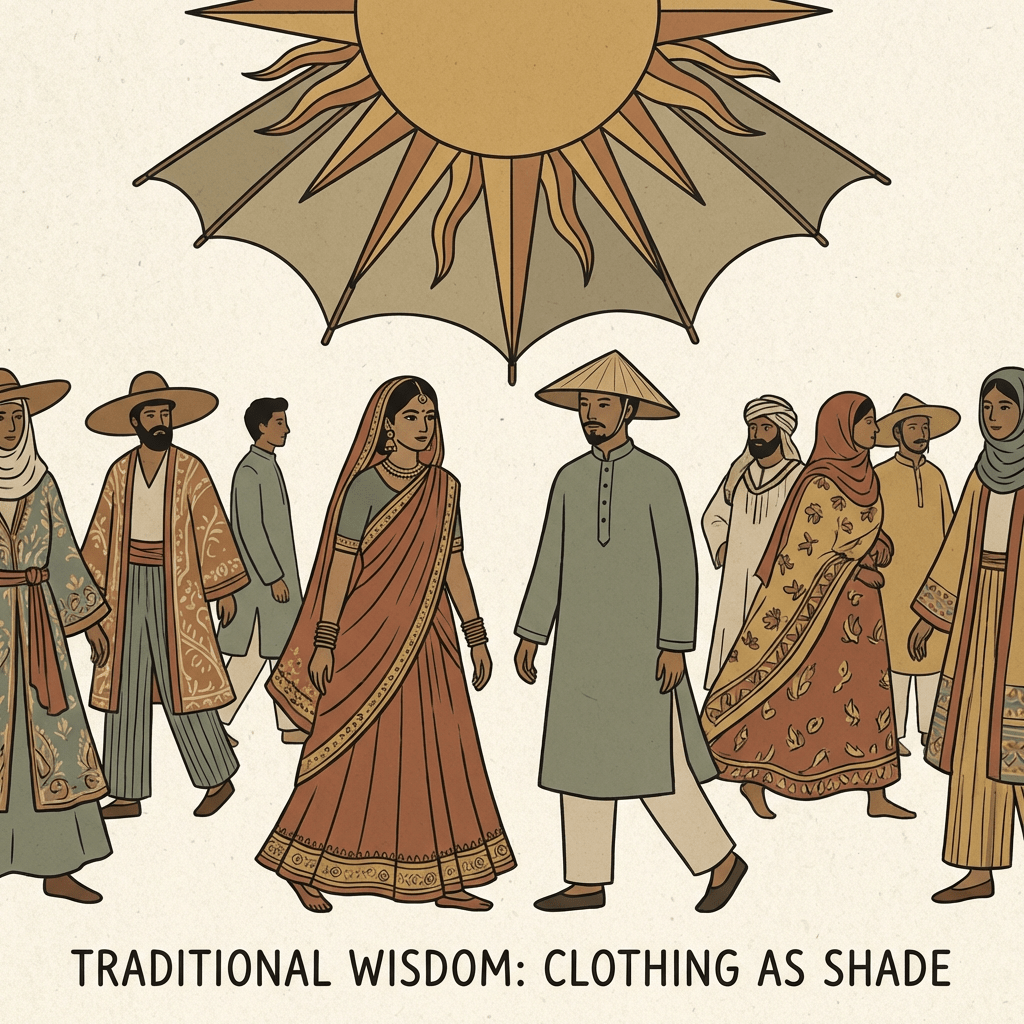
In many communities, clothing covers most of the body for cultural, religious, or protective reasons.
This limits:
- Skin exposure to sunlight
- Natural vitamin D production
4. Air Pollution Blocking UVB Rays

Urban pollution reduces the amount of UVB radiation that reaches the skin.
This means:
- Even when the sun is visible, your body may not be producing enough vitamin D
5. Poor Dietary Intake
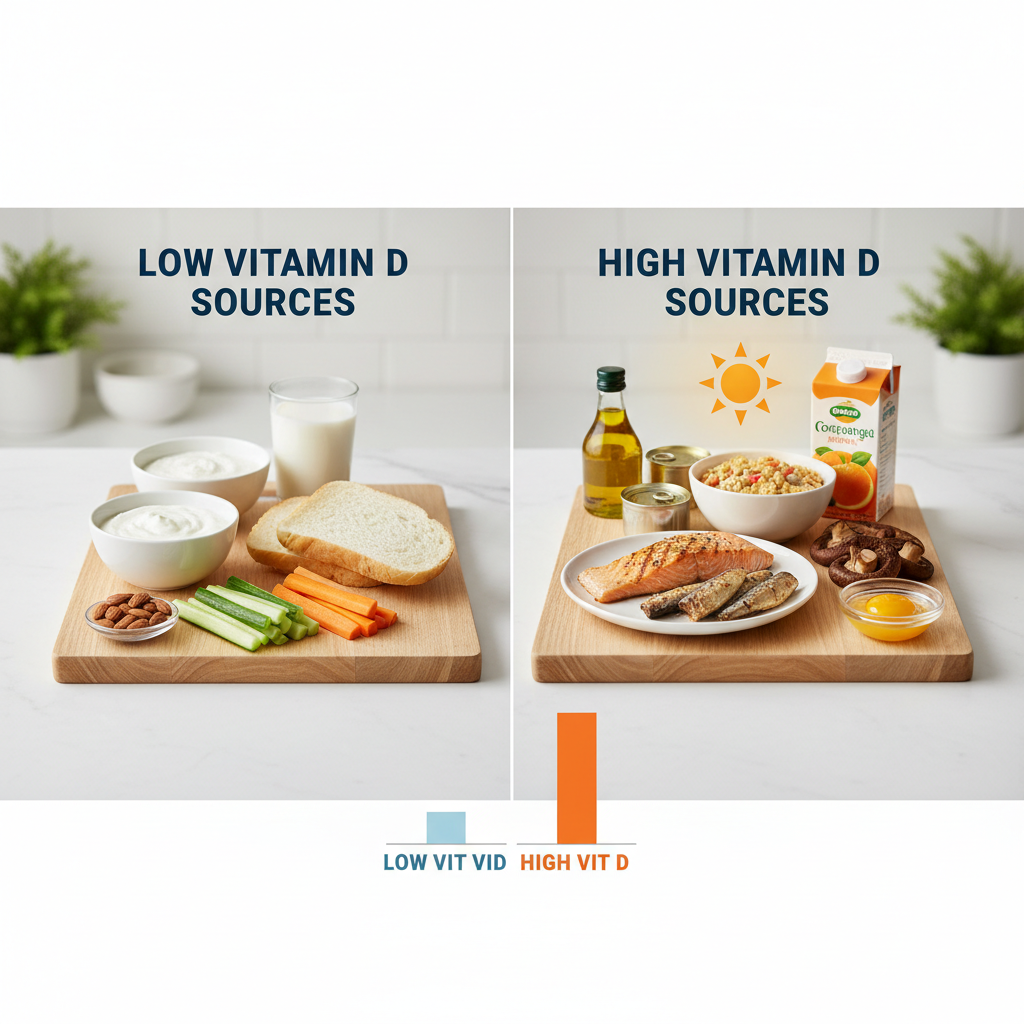
Unlike some Western diets, many African diets are not rich in vitamin D.
Common deficiencies include:
- Limited consumption of fatty fish
- Low intake of fortified foods
- Minimal dairy consumption in some regions
This makes sunlight the primary source—yet it’s often insufficient.
6. Health Conditions and Obesity

Vitamin D is stored in fat tissues.
In people with higher body fat:
- Vitamin D becomes less available in the bloodstream
Additionally, liver and kidney conditions can affect how vitamin D is processed.
7. Lack of Awareness

As a result, symptoms are often ignored or misdiagnosed.
Many people simply don’t know:
- What vitamin D does
- The symptoms of deficiency
- How to maintain healthy levels
Signs and Symptoms of Vitamin D Deficiency
Vitamin D deficiency can be silent at first, but over time, symptoms become more noticeable:
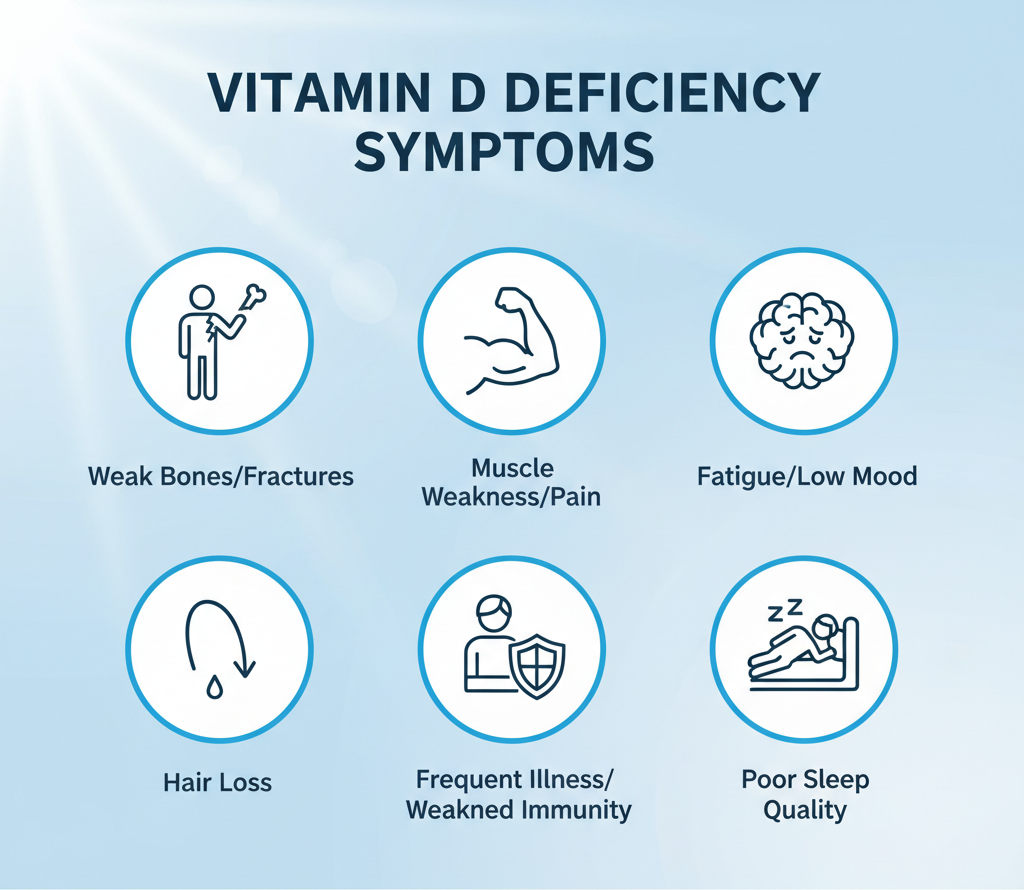
- Constant fatigue
- Frequent infections
- Bone pain or lower back pain
- Muscle weakness
- Depression or low mood
- Hair thinning
- Slow wound healing
These symptoms are often mistaken for stress or general illness.
Long-Term Health Risks
If left untreated, vitamin D deficiency can lead to serious conditions:
- Osteoporosis (weak bones)
- Rickets in children
- Increased risk of chronic diseases
- Weakened immune response
- Higher susceptibility to infections
How to Fix Vitamin D Deficiency Naturally
☀️ Smart Sun Exposure
Sunlight remains the most natural source of vitamin D.
Best practices:
- Spend 15–45 minutes in direct sunlight daily
- Expose arms, legs, and face
- Aim for mid-morning to early afternoon
🥗 Eat Vitamin D-Rich Foods
Include more of these foods in your diet:
- Fatty fish (sardines, mackerel, tuna)
- Egg yolks
- Fortified milk and cereals
- Mushrooms
Deeper Guide: Supplements and Treatment
For many people, sunlight and diet may not be enough—especially if deficiency is already severe.
💊 When Should You Consider Supplements?
You may need supplements if:
- You rarely get sun exposure
- You have persistent symptoms
- You belong to a high-risk group
💡 Types of Vitamin D Supplements
- Vitamin D2 (ergocalciferol)
- Vitamin D3 (cholecalciferol) – more effective
⚖️ Recommended Dosage (General Guidance)
- Mild deficiency: 1,000–2,000 IU daily
- Moderate deficiency: 2,000–5,000 IU daily
- Severe deficiency: Higher doses under supervision
⚠️ Important Safety Note
Too much vitamin D can be harmful.
Always:
- Test your levels if possible
- Avoid self-medicating with very high doses
⏳ How Long Does It Take to Recover?
- Mild deficiency: 4–8 weeks
- Severe deficiency: 3–6 months
Consistency is key.
Lifestyle Changes That Boost Vitamin D Levels

- Exercise outdoors
- Reduce excessive indoor time
- Maintain a balanced diet
- Manage weight
- Combine sunlight with proper nutrition
Frequently Asked Questions (FAQs)
1. Can you be vitamin D deficient even in a sunny country?
Yes. Factors like skin color, indoor lifestyle, and diet can still lead to deficiency.
2. How do I know if I have vitamin D deficiency?
The most accurate way is through a blood test, but symptoms like fatigue and bone pain can be indicators.
3. What is the fastest way to increase vitamin D levels?
A combination of sunlight, diet, and supplements (if necessary) is the most effective approach.
4. How much sunlight do I need daily?
Typically 15–45 minutes, depending on your skin tone and exposure.
5. Can vitamin D improve my mood?
Yes. Vitamin D plays a role in brain function and mood regulation.
6. Are supplements safe?
Yes, when taken in appropriate doses. Excessive intake should be avoided.
7. Which foods are highest in vitamin D?
Fatty fish, egg yolks, fortified foods, and mushrooms.
8. Who is most at risk of deficiency?
- People with darker skin
- Indoor workers
- Elderly individuals
- Overweight individuals
Conclusion
The belief that Africans cannot suffer from vitamin D deficiency is a dangerous myth.
In reality, modern lifestyles, skin biology, diet, and environmental factors all contribute to widespread deficiency across the continent.
The good news is that it is preventable and reversible.
By taking intentional steps—getting sunlight, improving your diet, and using supplements when necessary—you can restore your vitamin D levels and significantly improve your health.
 HealFit Growth
Leave a comment