
Introduction
You’re surrounded by people every day. You respond to messages, scroll through social media, and engage in conversations that seem normal on the surface. From the outside, everything looks fine—maybe even busy and connected.
But deep down, something feels different.
There’s a quiet emptiness that lingers when the noise fades. A subtle feeling that something is missing, even when you can’t fully explain what it is. You may laugh with others, yet still feel disconnected. You may be present physically, yet absent emotionally.
That feeling is loneliness—and it is far more powerful than most people realize.
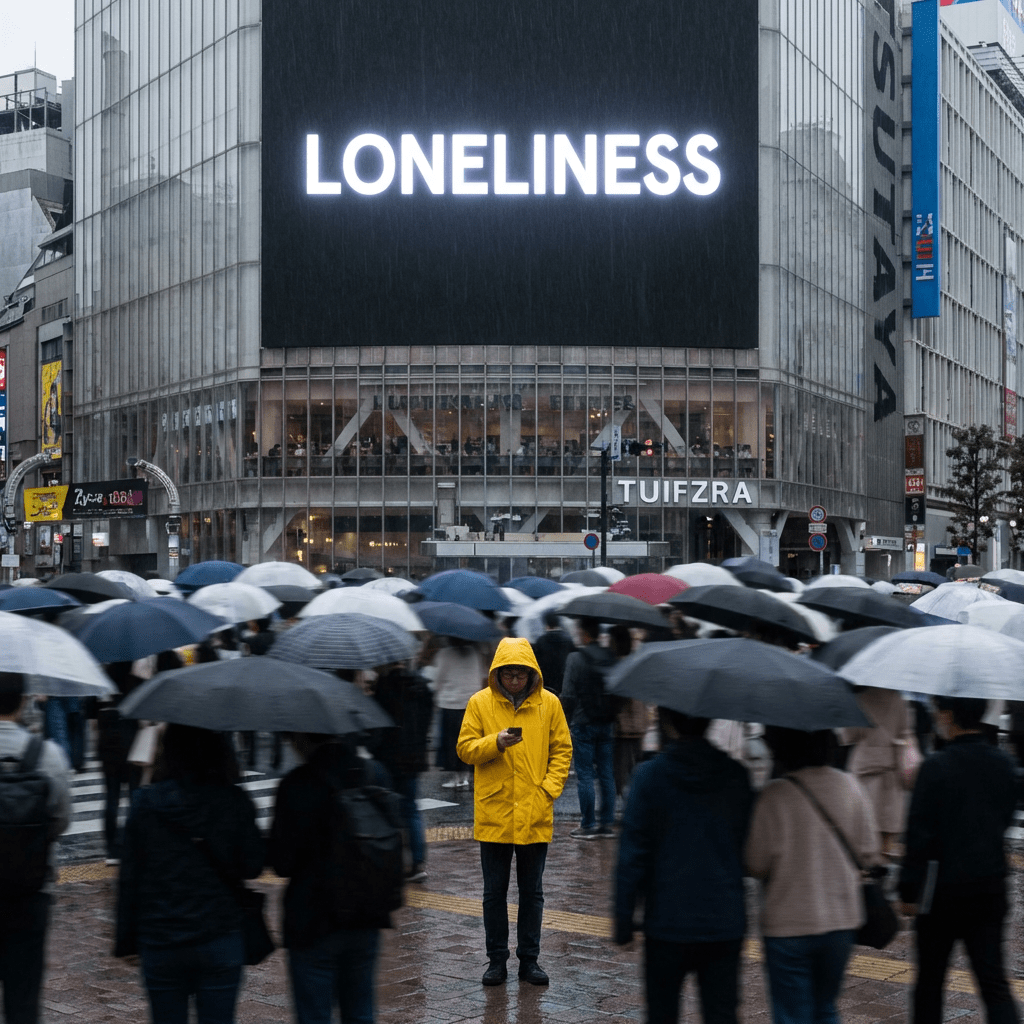
Loneliness is no longer something that affects only a few people. It has become a global silent epidemic, quietly impacting millions across different age groups, cultures, and lifestyles. Its danger is that it often goes unnoticed by both the sufferer and others.
And here’s the truth that many people overlook:
👉 Loneliness doesn’t just affect your emotions—it gradually influences your mind, body, behavior, and overall quality of life.
What Is Loneliness, Really?
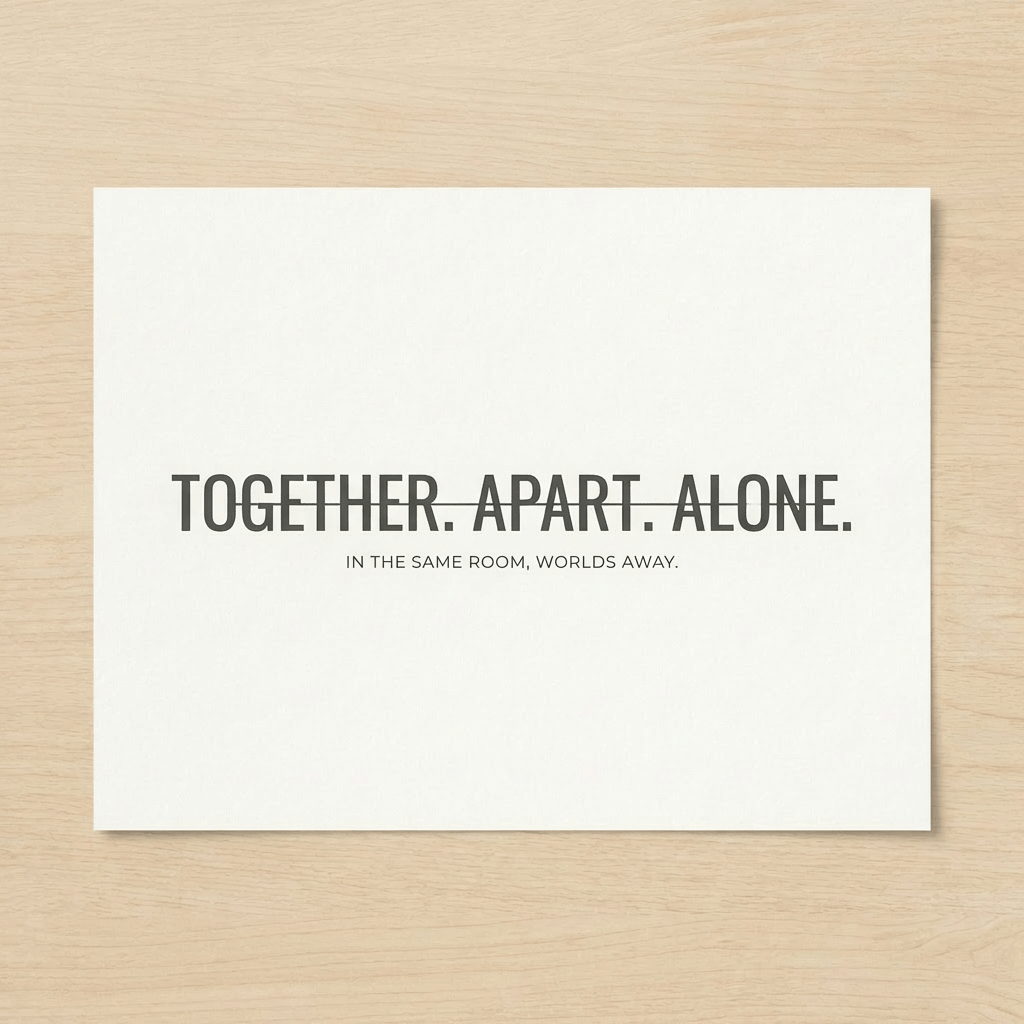
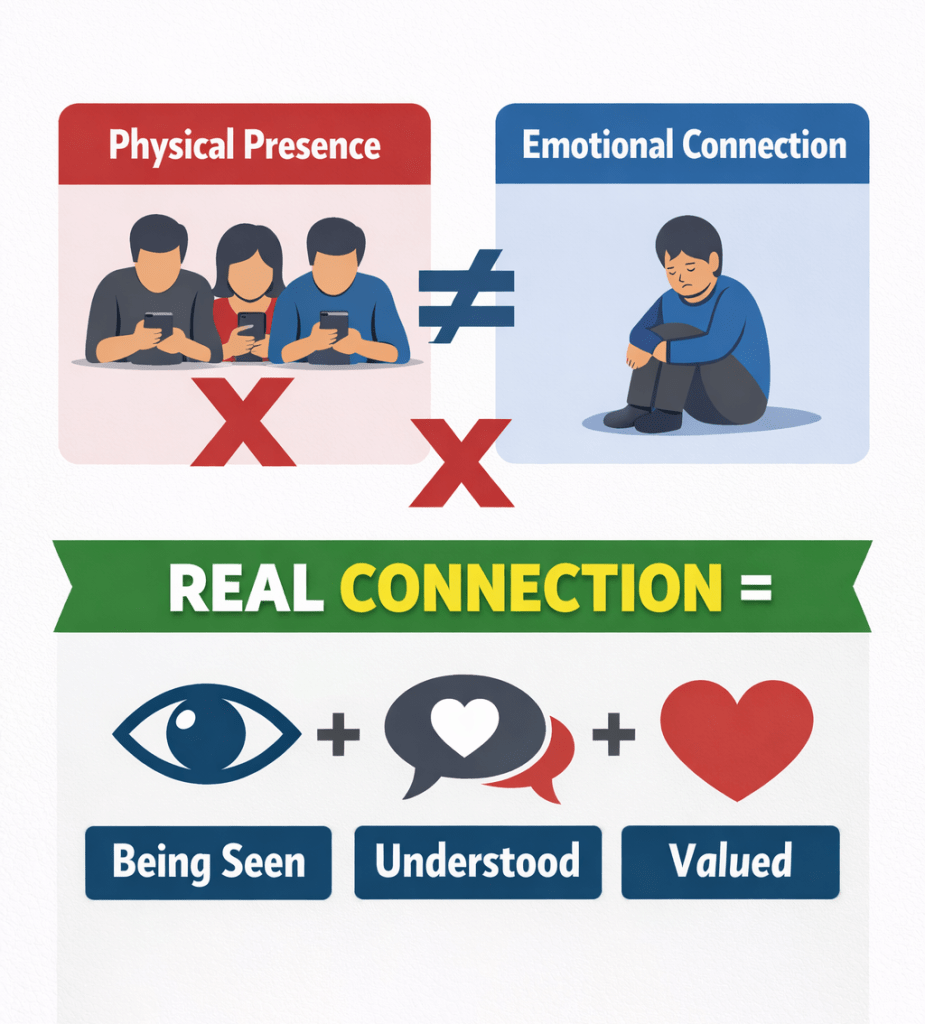
Loneliness is often misunderstood as simply being alone, but the reality is much deeper and more complex than that. Being alone is a physical state, while loneliness is an emotional experience. You can choose to be alone and feel completely at peace, yet you will feel deeply lonely in a crowded environment.
At its core, loneliness is the feeling of being emotionally disconnected from others. It occurs when your need for meaningful connection is unmet, even if you’re around people who seem to be in your life.
It is the feeling of not being truly seen, heard, or understood. And over time, this emotional gap can grow wider if it is not addressed.
The Growing Loneliness Epidemic
Recently, loneliness has become more widespread than ever. Despite the rise of digital communication and social platforms, people are reporting higher levels of emotional disconnection.
Studies suggest that 1 in 3 individuals experience loneliness on a regular basis, and surprisingly, younger people are now among the most affected groups. This shift challenges the traditional belief that loneliness mainly affects older adults.
One of the key reasons for this rise is the nature of modern connection. While people are constantly interacting online, many of these interactions lack depth and emotional substance. As a result, people may feel socially active but emotionally unfulfilled.
The Hidden Effects of Loneliness on the Mind
1. Negative Thought Patterns
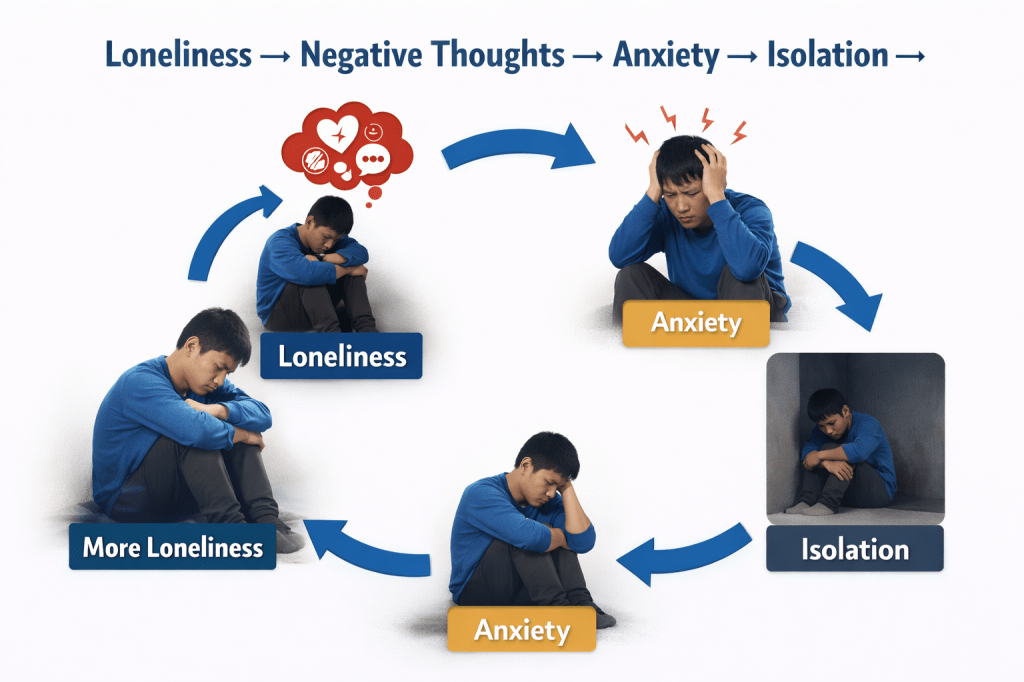
Loneliness has a powerful influence on the way you think. When you feel disconnected for long periods, your mind begins to create narratives that reinforce that feeling. Thoughts like “nobody really cares about me” or “I don’t belong anywhere” may start to appear more frequently.
Over time, these thoughts can become deeply rooted beliefs that shape how you see yourself and others. This mental shift can make it even harder to form new connections, creating a cycle that reinforces loneliness.
2. Depression and Emotional Numbness
When loneliness becomes persistent, it can gradually lead to emotional exhaustion. You may begin to lose interest in activities you once enjoyed, feel emotionally drained, or experience a sense of numbness where nothing feels exciting anymore.
This is why loneliness is strongly linked to depression. It doesn’t always appear as intense sadness—it can show up as emptiness, lack of motivation, and a feeling of being stuck.
👉 You may also benefit from reading your internal guide on:
“Mental Health and Emotional Well-Being”
3. Anxiety and Overthinking
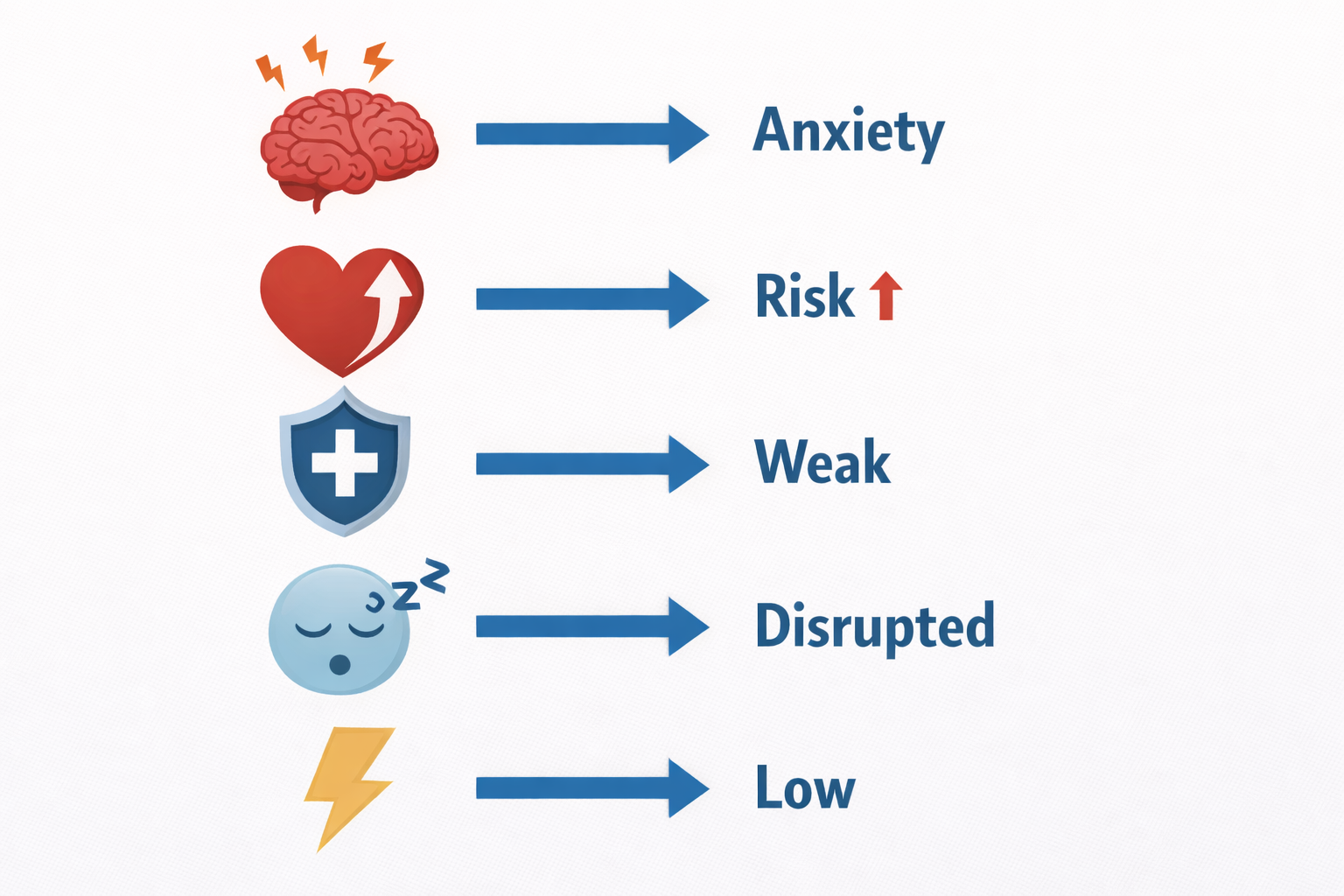
Loneliness can make your mind more sensitive to social situations. You may begin to overanalyze conversations, worry about how others perceive you, or fear rejection even before it happens.
This constant mental activity can lead to anxiety, making social interactions feel overwhelming instead of natural. As a result, you may withdraw further, which deepens the feeling of loneliness.
4. Reduced Focus and Mental Clarity
Your brain performs best when it feels safe and connected. Loneliness disrupts this balance by activating stress responses that affect your ability to concentrate and think clearly.
You may notice difficulty focusing on tasks, remembering information, or staying productive. This mental fog is often overlooked, but it is a real effect of prolonged emotional disconnection.
The Hidden Effects of Loneliness on the Body
Loneliness doesn’t remain confined to your emotions—it extends into your physical health in ways that many people do not expect. The mind and body are deeply connected, and emotional states can directly influence how your body functions.
1. Increased Stress Hormones
When you feel lonely, your body interprets it as a form of stress. This triggers the release of cortisol, a hormone associated with the body’s stress response.
Over time, elevated cortisol levels can lead to fatigue, headaches, and even long-term health issues like high blood pressure.
👉 You can also explore:
“How Stress Affects Your Body”
2. Weakened Immune System
Chronic loneliness can reduce your body’s ability to fight infections effectively. This means you may find yourself getting sick more often or taking longer to recover from illnesses.
Your immune system relies on balance, and prolonged emotional stress disrupts that balance.
3. Heart Health Risks
Studies indicate a correlation between loneliness and a heightened risk of cardiovascular issues. The stress and inflammation associated with loneliness can affect heart health over time, making it an important factor to address early.
4. Poor Sleep Quality
Loneliness can make it harder for your mind to relax at night. You may struggle to fall asleep, wake up frequently, or feel unrested even after a full night’s sleep.
This lack of quality rest can further impact your mood, energy, and overall well-being.
5. Chronic Fatigue
Even if you haven’t done anything physically demanding, loneliness can leave you feeling drained. Emotional exhaustion often translates into physical fatigue, making everyday tasks feel heavier than they should.
Why Loneliness Is Increasing Today
Modern life has introduced several factors that make loneliness more likely, even in environments where people are constantly surrounded by others.
1. Social Media Illusion
Social media creates the appearance of connection but often lacks emotional depth. People tend to share highlights of their lives, which can lead to comparison and feelings of inadequacy.
2. Busy Lifestyle
With increasing demands from work, finances, and daily responsibilities, many people simply don’t have the time or energy to build profound relationships.
3. Fear of Vulnerability
Real connection requires openness, but many people hesitate to express their true feelings due to fear of judgment or rejection. This creates relationships that remain on the surface.
4. Lack of Purpose
When people feel directionless or disconnected from a sense of purpose, loneliness can intensify.
👉 Read more in:
“Finding Purpose and Meaning in Life”
Signs You Might Be Experiencing Hidden Loneliness
- Feeling empty in a crowd
- Avoiding deep conversations
- Overusing your phone for connection
- Feeling misunderstood
- Constant distraction
How to Overcome Loneliness (Practical Solutions)
1. Build Meaningful Relationships
Focus on:
- Depth, not quantity
- Honest conversations
👉 Also read:
“Why You Feel Lonely Even When You’re Not Alone” (internal link)
2. Take Initiative
Don’t wait:
- Call someone
- Make plans
- Show up
3. Reduce Social Media Use
Replace scrolling with:
- Real-life interaction
4. Build Self-Connection
- Journaling
- Reflection
- Growth
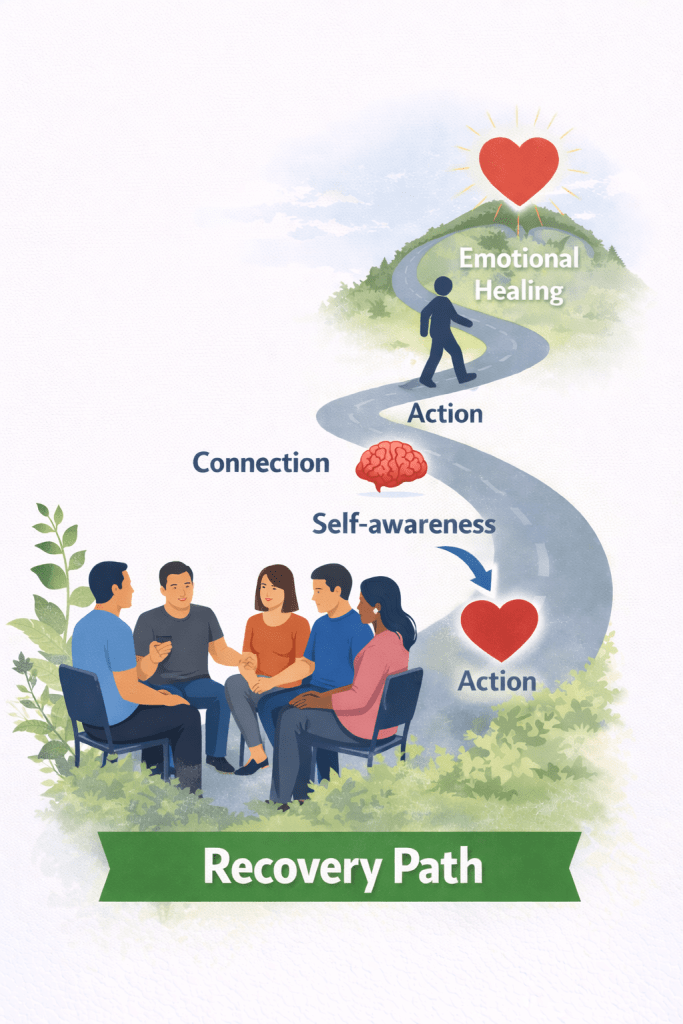
5. Join Communities
- Church
- Groups
- Volunteering
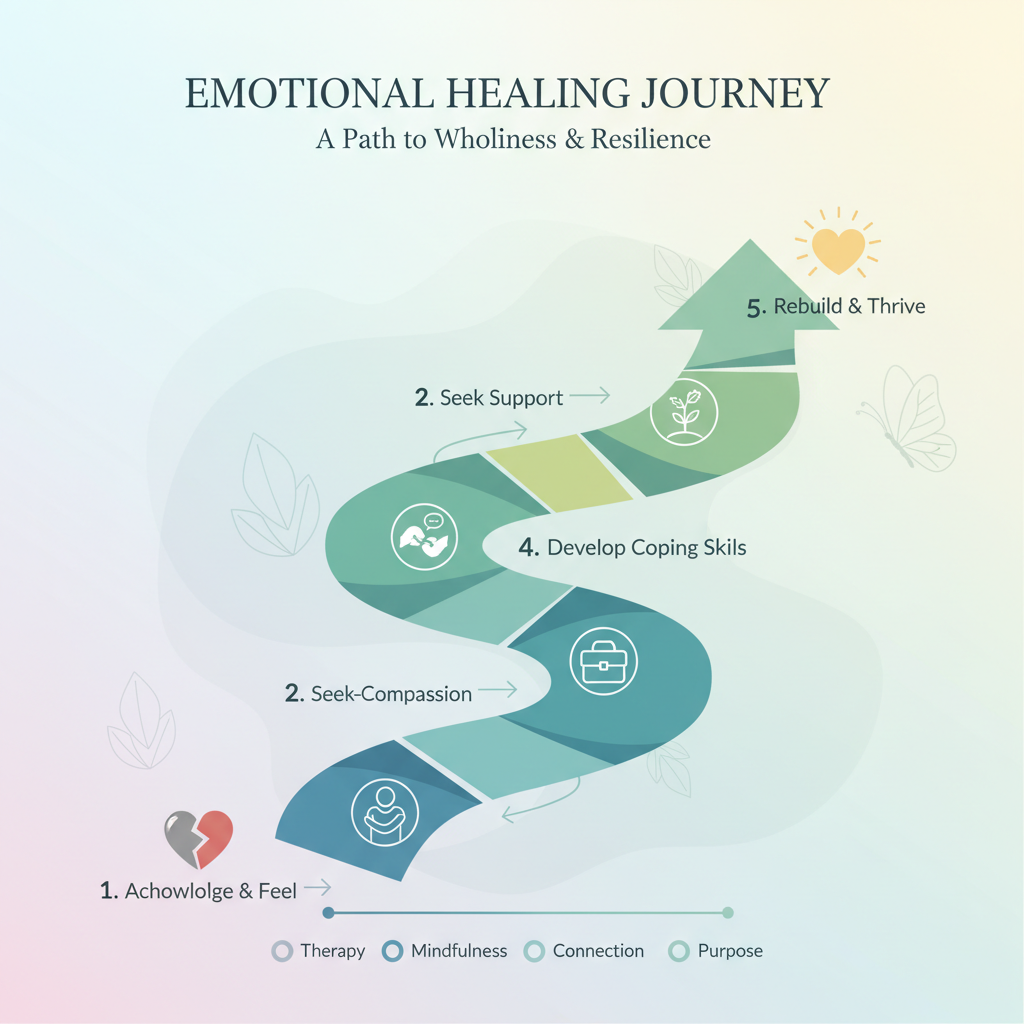
6. Seek Help When Needed
Talking to someone can change everything.
Frequently Asked Questions (FAQs)
1. Is loneliness harmful?
Yes, it affects both mental and physical health.
2. Why do I feel lonely with friends?
Because emotional connection is missing.
3. Can loneliness affect sleep?
Yes, it can cause poor sleep quality.
4. How can I reduce loneliness?
Build meaningful relationships and reduce isolation.
5. Is loneliness increasing?
Yes, especially with modern lifestyles.
6. What’s the fastest way to feel better?
Reach out and have a real conversation.
Conclusion
Loneliness is not just a temporary emotion—it is a deep and complex experience that can affect every aspect of your life if left unaddressed.
It affects your thoughts, feelings, body, and relationships. The most important thing to understand is that loneliness is not a sign of weakness—it is a signal that something meaningful is missing.
The good news is that it is not permanent.
With awareness, intentional effort, and a willingness to reconnect—with others and with yourself—you can begin to move out of loneliness and into a more fulfilling and connected life.
You are not alone in feeling this way. And more importantly, you don’t have to stay there.
💬 Join the Conversation
Have you ever felt lonely—even when surrounded by people?
What do you think the biggest cause of loneliness today is?
Share your thoughts in the comments. Your experience might help someone else feel less alone.
👇 Let’s talk.
 HealFit Growth
Leave a comment