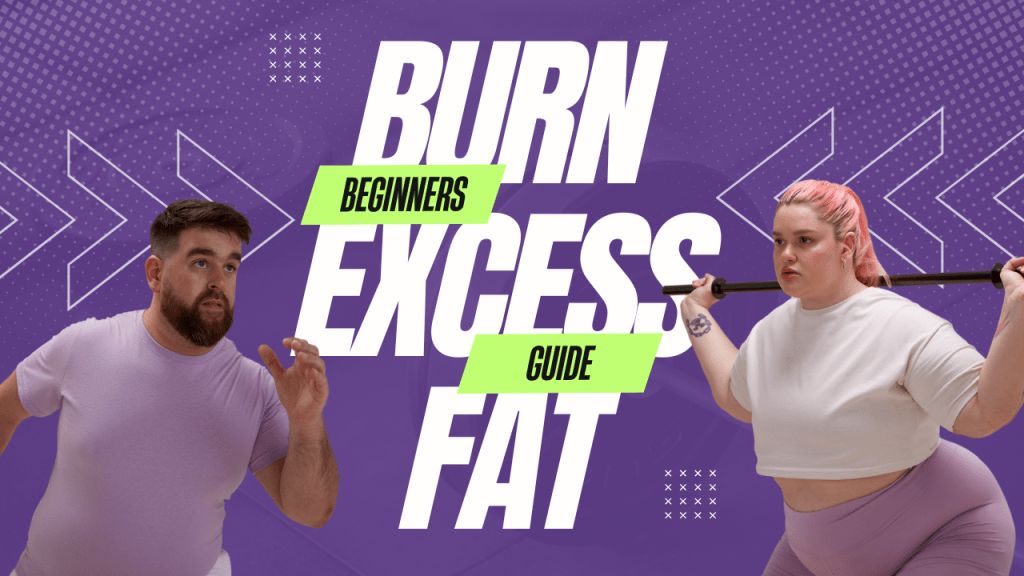
If you’ve ever tried to lose weight, you’ve probably been told to cut carbs, skip meals, detox, or follow some strict meal plan that feels impossible to maintain.
The truth?
Most extreme diets fail—not because you lack discipline, but because they’re not sustainable.
Healthy weight loss is not about starving yourself. It’s not about punishment. And it’s definitely not about quick fixes.
This beginner’s guide will show you how to lose weight in a realistic, sustainable way—without extreme dieting.
What Healthy Weight Loss Really Means
Healthy weight loss is slow, steady, and sustainable.
A realistic rate of fat loss is about 0.5–1 kg (1–2 pounds) per week. That may not sound exciting, but this pace:
- Protects your metabolism
- Preserves muscle
- Reduces loose skin risk
- Prevents burnout
- Is easier to maintain long-term
Crash diets often cause rapid weight loss at first—but much of that is water and muscle. Once normal eating resumes, the weight often returns.
Sustainable weight loss focuses on fat loss while keeping your body strong.
Step 1: Understand Calorie Balance (Without Obsessing)
Weight loss comes down to one basic principle:
You must burn more calories than you consume.
But this does NOT mean:
- Starving yourself
- Eating 800–1,000 calories per day
- Eliminating entire food groups
- Feeling hungry all the time
Instead, aim for a moderate calorie deficit.
Beginner-friendly ways to reduce calories:
- Slightly reduce portion sizes
- Replace sugary drinks with water
- Cook more meals at home
- Choose grilled instead of fried foods
- Eat slowly and mindfully
Small changes done consistently create real results.
Step 2: Focus on Protein at Every Meal
Protein is one of the most powerful nutrients for weight loss.
It helps:
- Reduce cravings
- Increase fullness
- Preserve muscle
- Boost calorie burning slightly
When you eat enough protein, you feel satisfied longer—which naturally reduces overeating.
Beginner protein sources:
- Eggs
- Chicken
- Greek yogurt
- Fish
- Beans and lentils
- Tofu
- Lean beef
Aim to include protein in every meal. Even adding one protein-rich snack can make a big difference.
Step 3: Don’t Fear Carbs—Choose Better Ones
Many extreme diets eliminate carbohydrates completely. This often leads to cravings and binge cycles.
Instead of cutting carbs, improve your choices.
Better carb options:
- Oats
- Brown rice
- Sweet potatoes
- Whole-grain bread
- Fruits
- Vegetables
These provide fiber, which helps with digestion and keeps you full longer.
Healthy weight loss is about balance—not restriction.
Step 4: Start Strength Training (Even as a Beginner)
Many beginners think cardio is the only way to lose weight.
But strength training is incredibly important.
Benefits of strength training:
- Increases metabolism
- Builds lean muscle
- Improves body shape
- Helps prevent weight regain
You don’t need a gym membership to begin.
Simple beginner routine (2–3 times per week):
- Bodyweight squats
- Push-ups (knees if needed)
- Lunges
- Planks
- Dumbbell rows (if available)
Even 20–30 minutes is enough when done consistently.
Muscle helps your body burn more calories—even at rest.
Step 5: Walk More and Avoid “All or Nothing” Thinking
Your mindset will either destroy or build progress, and walking is underrated.
It:
- Burns calories
- Reduces stress
- Improves heart health
- Is beginner-friendly
Aim for:
- 7,000–10,000 steps per day or 30–45 minutes of walking
One bad meal does not ruin your journey.
One missed workout does not mean failure.
Healthy weight loss is about consistency—not perfection.
Instead of thinking:
“I messed up; I’ll start again next week.”
Think:
“I’ll make the next meal better.”
Progress beats perfection every time.
Walking daily can dramatically improve your fat loss results without exhausting you.
Step 6: Prioritize Sleep and Manage Stress
Sleep plays a massive role in weight loss. Chronic stress increases cortisol levels, which can promote fat storage—especially around the stomach.
Simple stress-management strategies:
- Short daily walks
- Deep breathing
- Journaling
- Light stretching
- Talking to supportive friends
Weight loss isn’t just physical. It’s mental too.
When you don’t sleep enough:
- Hunger hormones increase
- Cravings increase
- Energy drops
- Motivation decreases
Lack of sleep can sabotage even the best diet plan.
Aim for:
- 7–9 hours per night
- Reduced screen time before bed
- Consistent sleep schedule
Healthy weight loss happens faster when your body is well-rested.
Common Beginner Mistakes to Avoid
❌ Eating too little
❌ Cutting entire food groups
❌ Doing only cardio
❌ Expecting fast results
❌ Comparing your journey to others
Remember: sustainable weight loss takes time.
How to Stay Consistent as a Beginner
Here’s a simple weekly starter plan:
Nutrition:
- Eat protein at every meal
- Reduce sugary drinks
- Include vegetables daily
Exercise:
- Strength train 2–3 times per week
- Walk most days
Lifestyle:
- Sleep 7+ hours
- Drink enough water
- Focus on small improvements
That’s it. No extreme diet required.
Final Thoughts: Build a Lifestyle, Not a Diet
Healthy weight loss is not about hating your body.
It’s about respecting it.
It’s about:
- Fueling your body properly
- Moving it regularly
- Resting it adequately
- Improving it consistently
Extreme diets might promise fast results—but sustainable habits create lasting change.
Your goal is not just to lose weight.
Your goal is to become healthier, stronger, and more confident for life.
Start small. Stay consistent. Trust the process.

 HealFit Growth
Leave a reply to clinton2022 Cancel reply