Introduction
Gut health has become one of the most talked-about topics in modern health and nutrition—and for good reason. Your digestive system does far more than simply break down food. It plays a major role in immunity, mental health, nutrient absorption, energy levels, and even chronic disease prevention.
Many people only think about their digestive system when they experience symptoms such as bloating, stomach pain, or indigestion. However, the gut influences nearly every system in the body. When your gut is functioning properly, your body can absorb nutrients efficiently, maintain balanced hormones, and support a strong immune response.
On the other hand, poor gut health can lead to fatigue, inflammation, digestive disorders, weakened immunity, and even mental health challenges.
Understanding how your digestive system works and how to support it with the right habits can significantly improve your overall well-being. In this guide, we will explore how gut health affects the body, the role of beneficial bacteria, common signs of poor gut health, and practical ways to improve your digestive system naturally.
What Is Gut Health?
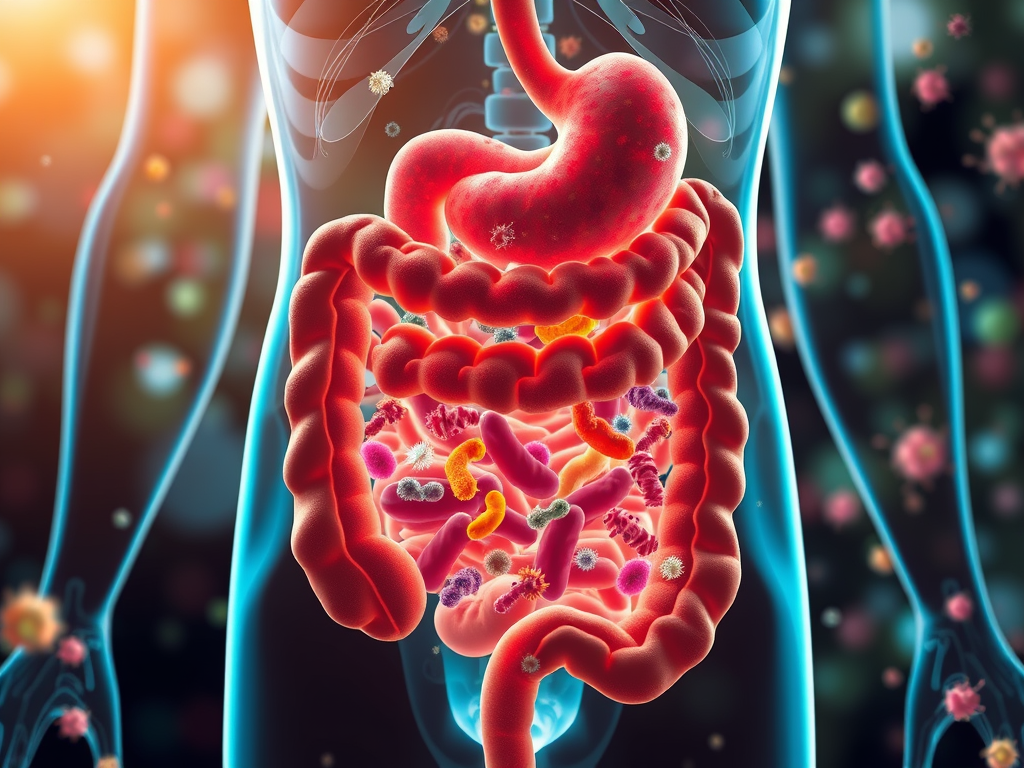
Gut health refers to the balance and proper functioning of microorganisms living in your digestive tract. Your digestive system contains trillions of bacteria, fungi, and other microorganisms collectively known as the gut microbiome.
These microorganisms play a vital role in maintaining health by helping your body:
- Digest food
- Absorb nutrients
- Produce vitamins
- Support immune function
- Protect against harmful pathogens
Not all bacteria are harmful. In fact, many beneficial bacteria are essential for digestion and metabolic processes. A healthy gut is one where beneficial microorganisms outnumber harmful ones and maintain a balanced environment.
When this balance is disrupted—a condition known as gut dysbiosis—various health issues may begin to develop.
The Digestive System and How It Works
The digestive system is a complex network of organs that work together to break down food and convert it into nutrients the body can use.
The major organs involved include
The mouth
Digestion begins in the mouth, where enzymes in saliva start breaking down carbohydrates.
The stomach
The stomach produces acid and digestive enzymes that break down food into smaller particles.
The small intestine
Most nutrient absorption occurs here. Vitamins, minerals, proteins, fats, and carbohydrates are absorbed into the bloodstream.
The large intestine (colon)
The colon houses most of the gut bacteria and absorbs water from digested food.
The liver and pancreas
These organs produce important enzymes and bile that assist digestion.
Each part of the digestive system performs a specific role in ensuring your body receives the nutrients necessary for energy, growth, and repair.
The Gut Microbiome: Your Body’s Hidden Ecosystem
Your gut microbiome contains trillions of microorganisms that function like a living ecosystem inside your body.
These microorganisms help with several essential functions:
1. Digestion of Complex Foods
Some foods, especially fiber-rich plant foods, cannot be digested by human enzymes alone. Gut bacteria break down these foods and convert them into beneficial compounds.
2. Production of Essential Nutrients
Certain gut bacteria produce vitamins that your body needs, including
- Vitamin K
- Some B vitamins
- Short-chain fatty acids that support gut health
3. Immune System Regulation
Nearly 70% of the immune system is located in the gut. A balanced microbiome helps the immune system identify harmful pathogens and fight infections effectively.
4. Communication with the Brain
The gut and brain communicate through what scientists call the gut-brain axis. This connection means gut health can influence mood, stress levels, and mental well-being.
Signs of Poor Gut Health
Many symptoms people experience daily may actually be linked to an unhealthy gut.
Some common signs include:
Frequent Digestive Issues
Symptoms such as bloating, constipation, diarrhea, and gas often indicate digestive imbalance.
Fatigue and Low Energy
Poor nutrient absorption can leave the body lacking essential vitamins and minerals needed for energy production.
Food Intolerances
An unhealthy gut may struggle to properly digest certain foods, leading to discomfort or intolerance.
Weakened Immune System
Frequent illness may indicate that the gut microbiome is not supporting immune defenses effectively.
Skin Problems
Conditions such as acne, eczema, and inflammation have been linked to poor gut health.
Mood Changes
The gut produces neurotransmitters such as serotonin, which influence mood and mental health.
When the gut microbiome becomes imbalanced, these functions can be disrupted.
How Diet Affects Gut Health
Diet is one of the most important factors influencing gut health.
The foods you eat either support beneficial bacteria or encourage the growth of harmful microbes.
Foods That Support Gut Health
Fiber-rich foods
Whole grains, fruits, vegetables, and legumes feed beneficial gut bacteria.
Fermented foods
Foods such as yogurt, kefir, kimchi, and sauerkraut contain probiotics that support microbiome balance.
Healthy fats
Foods like avocado, nuts, and olive oil help reduce inflammation and support digestive health.
Polyphenol-rich foods
Foods such as berries, green tea, and dark chocolate contain antioxidants that promote beneficial bacteria.
Foods That Can Harm Gut Health
Highly processed foods, excessive sugar, artificial additives, and unhealthy fats can negatively affect gut bacteria.
A diet high in processed foods may encourage the growth of harmful microbes that contribute to inflammation and digestive problems.
The Gut–Brain Connection
Scientists have discovered a strong relationship between gut health and mental well-being.
The gut and brain communicate through nerves, hormones, and chemical signals. This communication network is known as the gut-brain axis.
Interestingly, about 90% of serotonin, a neurotransmitter associated with mood and happiness, is produced in the gut.
When the gut microbiome is balanced, it can help regulate stress responses and support emotional stability.
However, when gut bacteria become imbalanced, it may contribute to anxiety, depression, and mood disorders.
This is why many health professionals now emphasize the importance of gut health when addressing mental wellness.
Lifestyle Habits That Influence Gut Health
Diet alone does not determine gut health. Several lifestyle habits also play important roles.
Sleep
Poor sleep disrupts the balance of gut bacteria and can affect digestion and metabolism.
Stress
Chronic stress negatively affects the gut microbiome and digestive processes.
Physical Activity
Regular exercise supports digestion and encourages the growth of beneficial bacteria.
Hydration
Drinking enough water helps move food through the digestive system and supports nutrient absorption.
Maintaining healthy daily habits helps protect the delicate balance of the gut microbiome.
Natural Ways to Improve Gut Health
Improving gut health does not require complicated solutions. Simple daily habits can make a significant difference.
Eat More Fiber
Fiber feeds beneficial bacteria and supports regular digestion.
Include Probiotic Foods
Foods containing beneficial bacteria can help restore microbiome balance.
Reduce Processed Foods
Limiting sugar and highly processed foods helps prevent harmful bacterial overgrowth.
Stay Hydrated
Water helps maintain proper digestive function.
Manage Stress
Practices such as meditation, deep breathing, and exercise can help protect gut health.
Get Enough Sleep
Quality sleep supports both digestion and microbiome balance.
Over time, these habits help strengthen the digestive system and promote long-term wellness.
Why Gut Health Matters for Overall Wellness
Your digestive system influences nearly every aspect of your health.
When your gut functions properly, your body can:
- Absorb nutrients efficiently
- Maintain strong immunity
- Support mental well-being.
- Regulate inflammation
- Produce essential compounds for energy
In contrast, poor gut health can contribute to chronic diseases, fatigue, digestive disorders, and weakened immunity.
By prioritizing gut health through balanced nutrition and healthy lifestyle habits, you create a strong foundation for overall well-being.
Final Thoughts
Gut health is much more important than many people realize. The digestive system does far more than process food—it plays a vital role in immunity, energy production, mental health, and disease prevention.
Supporting your gut microbiome with healthy foods, proper hydration, physical activity, and stress management can improve both digestion and overall health.
Small changes practiced consistently can lead to major improvements in how your body functions and how you feel every day.
Understanding nutrition is also essential for digestive health, and taking care of your gut is one of the most powerful steps you can take toward long-term wellness. You can learn more in our healthy eating guide on HealFit Growth.
 HealFit Growth
Leave a comment