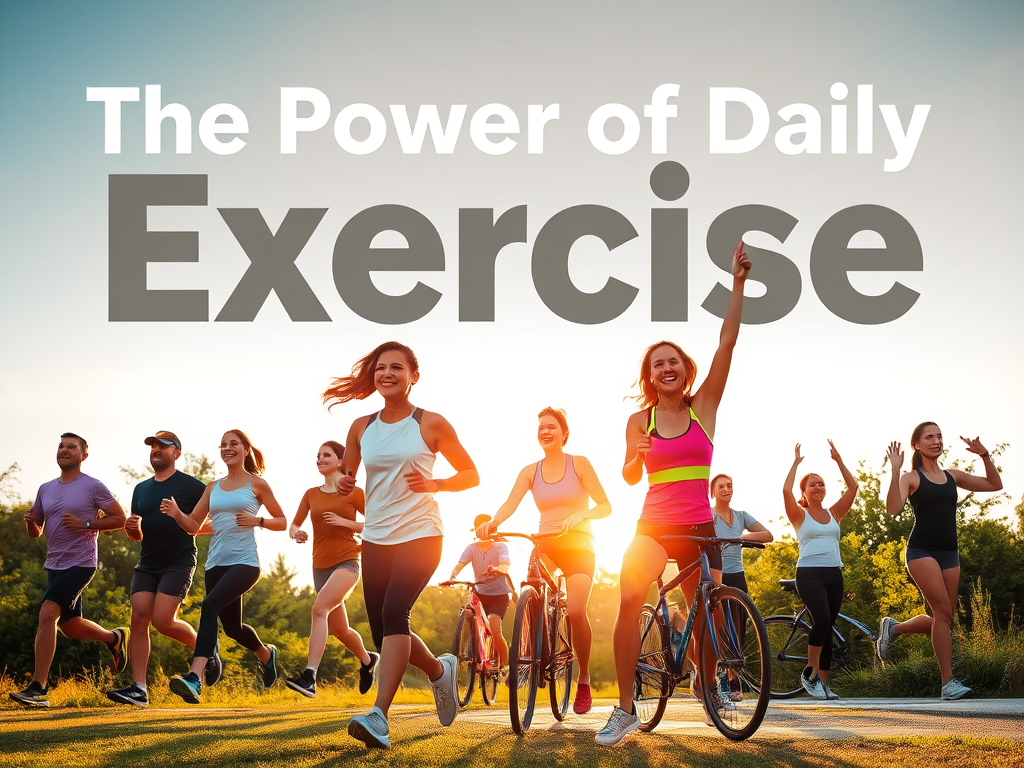
In today’s modern world, many people live increasingly sedentary lifestyles. Long hours spent sitting at desks, commuting in cars, and relaxing in front of screens have reduced the amount of physical movement many individuals experience each day. While technology and convenience have improved many aspects of life, they have also contributed to rising rates of obesity, heart disease, stress, and other health challenges.
One of the most effective ways to counter these issues is through daily exercise. The good news is that you do not need to spend hours in a gym or follow complicated training programs to see meaningful benefits. In fact, just thirty minutes of consistent physical activity each day can significantly improve your health and quality of life.
Daily movement strengthens the body, supports mental well-being, boosts energy levels, and helps prevent chronic diseases. Over time, this simple habit can transform how you feel, how you think, and how your body functions.
This guide explores the powerful benefits of daily exercise and offers practical advice to help you build a sustainable fitness routine.
Exercise works best when combined with proper nutrition. If you are unsure where to start, read our complete guide on Healthy Eating and Understanding Macronutrients for a Balanced Diet.
Why Exercise Is Essential for Overall Health
Exercise plays a vital role in maintaining nearly every system in the human body. When you engage in physical activity, your muscles contract, your heart pumps faster, and your lungs work harder to deliver oxygen throughout your body. These processes stimulate important biological responses that support long-term health.
One of the most important benefits of exercise is improved cardiovascular health. When your heart becomes stronger through regular activity, it pumps blood more efficiently. This reduces strain on your heart and lowers the risk of conditions such as hypertension, heart disease, and stroke.
Exercise also supports metabolic health. Regular movement helps regulate blood sugar levels and improves insulin sensitivity, which plays an important role in preventing type 2 diabetes.
Beyond these physical benefits, exercise also enhances brain function. Increased blood flow to the brain improves cognitive performance, memory, and focus. This is why many people feel mentally sharper after a workout.
Physical Benefits of Daily Exercise
Stronger Heart and Cardiovascular System
The heart is a muscle, and like any muscle, it becomes stronger when it is regularly challenged. Aerobic exercises such as walking, jogging, cycling, and swimming improve the efficiency of the cardiovascular system.
Over time, consistent exercise helps lower resting heart rate and blood pressure. This reduces the risk of heart-related illnesses and supports long-term cardiovascular health.
Improved Weight Management
Weight gain often occurs when the body consumes more calories than it burns. Exercise increases the number of calories your body uses, helping create a healthier balance between energy intake and energy expenditure.
While nutrition plays a critical role in weight management, physical activity supports the body’s metabolism and helps maintain a healthy body composition.
Increased Muscle Strength
Strength training exercises stimulate muscle growth and improve muscular endurance. Stronger muscles make daily tasks easier and reduce the risk of injuries caused by weakness or poor posture.
Maintaining muscle mass is particularly important as people age because muscle loss naturally occurs over time.
Better Bone Health
Weight-bearing exercises such as walking, resistance training, and bodyweight workouts stimulate bone growth. These activities help maintain bone density and reduce the risk of osteoporosis.
Healthy bones are essential for mobility and independence, especially later in life.
Mental and Emotional Benefits of Exercise
Exercise does not only benefit the body. It also has powerful effects on mental and emotional health.
Reduced Stress
Physical activity helps regulate the body’s stress response by reducing levels of cortisol, a hormone associated with stress. At the same time, exercise stimulates the release of endorphins, often called “feel-good” chemicals.
These natural mood boosters can help reduce feelings of tension and anxiety.
Improved Mood
Regular physical activity has been shown to improve emotional well-being. Many individuals who exercise consistently report feeling happier and more confident.
Exercise can also help alleviate symptoms associated with anxiety and depression.
Enhanced Cognitive Function
Increased blood flow to the brain during exercise supports brain health and cognitive performance. Studies suggest that regular physical activity may improve memory, focus, and problem-solving skills.
This benefit makes exercise valuable not only for physical health but also for productivity and learning.
The Importance of Consistency
While intense workouts can produce short-term results, long-term health improvements come from consistency. Engaging in moderate physical activity daily is far more beneficial than exercising intensely once in a while.
Thirty minutes of movement each day can include a wide variety of activities such as walking, cycling, stretching, or bodyweight training. What matters most is developing the habit of staying active regularly.
Consistency also helps the body adapt gradually, reducing the risk of injuries and burnout.
Beginner-Friendly Exercise Ideas
If you are new to fitness, starting with simple exercises can help you build confidence and momentum.
Walking
Walking is one of the most accessible forms of exercise. It requires no special equipment and can be done almost anywhere.
A brisk 30-minute walk can improve cardiovascular health, burn calories, and elevate mood.
Bodyweight Workouts
Exercises that use your body weight can effectively strengthen muscles. Examples include:
- Squats
- Push-ups
- Lunges
- Planks
- Jumping jacks
These exercises can be performed at home and adjusted for different fitness levels.
Stretching and Mobility
Stretching improves flexibility and joint mobility. Including stretching in your routine can help reduce muscle tension and lower the risk of injury.
Yoga and mobility exercises are excellent options for improving flexibility and relaxation.
How to Build a Sustainable Fitness Habit
Creating a lasting exercise routine requires more than motivation. It requires structure and consistency.
Set Realistic Goals
Start with achievable goals that match your current fitness level. Instead of aiming for intense workouts immediately, focus on establishing a routine.
For example, committing to 30 minutes of movement five days a week is a realistic starting point.
Schedule Your Workouts
Treat exercise like an important appointment. Setting a specific time for your workout increases the likelihood that you will follow through.
Track Your Progress
Monitoring your progress can be highly motivating. Whether it is tracking steps, recording workouts, or noting improvements in strength, progress tracking reinforces positive habits.
Stay Flexible
Life can sometimes disrupt routines. Instead of giving up when a workout is missed, simply return to your routine the next day.
Consistency is the key to long-term success. Building discipline around exercise can transform your lifestyle, which we explain in our guide on How to Build Daily Discipline for Long-Term Health Goals.
Common Exercise Mistakes to Avoid
Even though exercise is beneficial, certain mistakes can reduce its effectiveness.
Skipping Warm-Ups
Warm-ups prepare muscles and joints for physical activity. A few minutes of light movement or stretching before a workout can help prevent injuries.
Overtraining
Doing too much exercise without proper rest can lead to fatigue and injuries. Balance intense workouts with lighter activities and allow time for recovery.
Ignoring Proper Form
Using incorrect form during exercises can strain muscles and joints. Learning proper technique ensures that workouts remain safe and effective.
Turning Exercise Into a Lifestyle
The most successful fitness journeys occur when exercise becomes a natural part of daily life rather than a temporary effort. Instead of viewing workouts as obligations, consider them opportunities to improve your health and strengthen your body.
Over time, daily exercise becomes easier and more enjoyable. Many individuals discover that they look forward to their workouts because of the physical and mental benefits they experience.
Remember that progress happens gradually. Small daily actions accumulate into powerful long-term results.
Final Thoughts
Daily exercise is one of the most powerful habits you can develop for long-term health and well-being. Just thirty minutes of movement each day can improve cardiovascular health, strengthen muscles, boost mental clarity, and support emotional balance.
Incorporating regular physical activity into your lifestyle does not require complicated programs or expensive equipment. Simple activities such as walking, stretching, and bodyweight exercises can provide remarkable benefits when practiced consistently.
By committing to daily movement, you invest in a healthier, stronger, and more energetic future.
 HealFit Growth
Leave a reply to How to Manage Stress Naturally: 9 Powerful Habits for a Calmer and Healthier Mind – HealFit Growth Cancel reply