Introduction
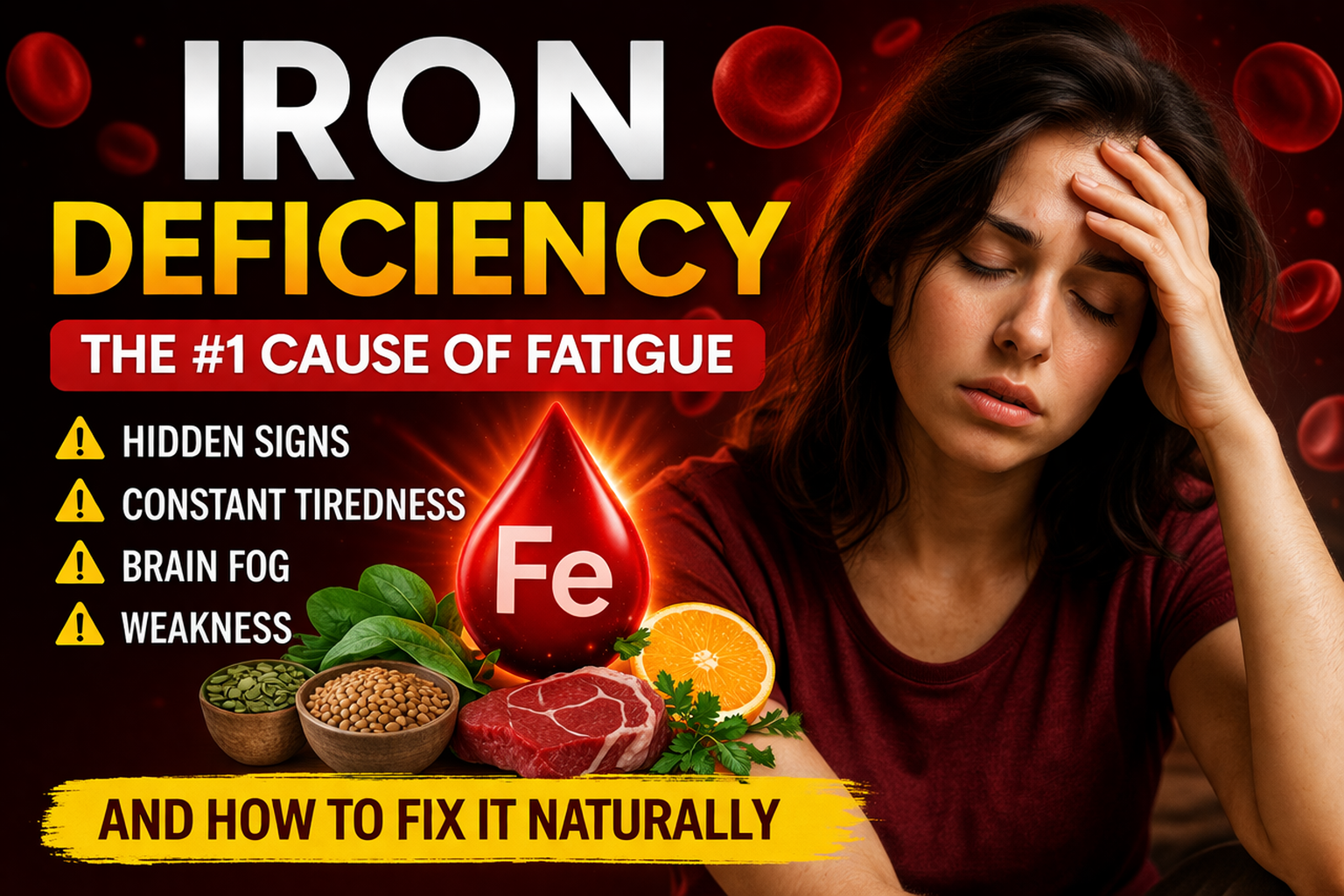
Iron deficiency has become one of the most overlooked yet widespread nutritional problems in modern society, affecting millions of people who often remain unaware of its impact on their daily lives. In 2026, despite increased awareness about health and nutrition, many individuals continue to experience constant fatigue, weakness, and reduced productivity without realizing that low iron levels may be the root cause.
What makes iron deficiency particularly dangerous is that its symptoms develop gradually, making it easy to ignore until it begins to interfere significantly with physical and mental performance. Many people assume their tiredness is due to stress, lack of sleep, or a busy lifestyle, when in reality, their body is struggling to function without enough iron.
Understanding iron deficiency is essential because it directly affects how your body produces energy, transports oxygen, and maintains overall health. Once you identify the signs and take the right steps, it becomes possible to restore your energy naturally and improve your quality of life.

Caption: Iron plays a key role in energy production by helping transport oxygen throughout the body.
What is Iron Deficiency?
Iron deficiency occurs when your body does not have enough iron to produce hemoglobin, the protein in red blood cells responsible for carrying oxygen to different parts of the body. Without sufficient oxygen, your organs and muscles cannot function efficiently, leading to fatigue and weakness.
Over time, untreated iron deficiency can develop into iron deficiency anemia, a more serious condition that affects overall health and increases the risk of complications.
Why Iron is Essential for Energy
Iron is not just another nutrient—it is a critical component of energy production. It helps your body convert food into energy and ensures that oxygen reaches your muscles and brain.
When iron levels are low, this entire process slows down. As a result, you may feel constantly tired, experience difficulty concentrating, and struggle with physical activities that were once easy.
If you’ve been dealing with ongoing fatigue, you should also read the following:
👉 Why You’re Always Tired: The Hidden Nutrition Deficiencies Draining Your Energy
Hidden Signs of Iron Deficiency
One of the biggest challenges with iron deficiency is recognizing its early signs. Many symptoms are subtle and often mistaken for general tiredness or stress.
Common Symptoms Include the Following:
- Constant fatigue and weakness
- Pale skin
- Shortness of breath
- Dizziness or headaches
- Cold hands and feet
- Poor concentration
- Rapid heartbeat
Ignoring these symptoms can lead to more severe health issues over time.


Caption: Recognizing early symptoms of iron deficiency can help prevent more serious health complications.
Major Causes of Iron Deficiency
Iron deficiency does not happen overnight—it develops over time due to various factors.
1. Poor Diet
A diet lacking in iron-rich foods is one of the most common causes.
2. Blood Loss
Menstruation, injuries, or internal bleeding can reduce iron levels.
3. Poor Absorption
Certain health conditions or diets can prevent proper iron absorption.
4. Increased Demand
Pregnancy and growth periods increase the body’s need for iron.
The Link Between Iron Deficiency and Mental Health
Low iron levels do not only affect physical energy—they also impact brain function and emotional well-being. Iron plays a role in neurotransmitter production, which affects mood and mental clarity.
When iron levels drop, individuals may experience irritability, poor focus, and even symptoms similar to anxiety or depression.
To understand how nutrition affects mental well-being, read:
👉 Mental Health Crisis in 2026: What Public Health Experts Are Not Saying
Best Foods to Increase Iron Naturally
The most effective way to correct iron deficiency is through proper nutrition.
Iron-Rich Foods Include:
- Red meat and liver
- Spinach and leafy greens
- Beans and lentils
- Eggs
- Fish
- Fortified cereals
For better results, combine iron-rich foods with vitamin C sources like oranges, tomatoes, and peppers.
Common Mistakes That Reduce Iron Absorption
Even when people eat iron-rich foods, certain habits can reduce absorption:
- Drinking tea or coffee immediately after meals
- Consuming too much processed food
- Not combining iron with vitamin C
- Skipping meals
Avoiding these mistakes can significantly improve your iron levels.
Natural Strategies to Restore Your Iron Levels
1. Improve Your Diet
Focus on whole, nutrient-dense foods.
2. Combine Nutrients Properly
Pair iron with vitamin C for better absorption.
3. Maintain Healthy Eating Habits
Eat regularly and avoid long gaps between meals.
4. Reduce Processed Foods
Choose natural foods over empty calories.
5. Stay Consistent
Restoring iron levels takes time and consistency.
To build a sustainable diet, you can also read the following:
👉 Unlocking Consistency: Beyond Motivation
How Long Does It Take to Recover from Iron Deficiency?
Recovery depends on the severity of the deficiency and the steps taken to address it. With proper diet and lifestyle changes, many people begin to feel improvement within a few weeks, but full recovery may take several months.
The key is consistency and monitoring your progress over time.
When to Seek Medical Attention
While mild iron deficiency can often be corrected naturally, severe cases may require medical attention. If symptoms persist or worsen, it is important to consult a healthcare professional.
Conclusion
Iron deficiency is one of the most common yet overlooked causes of fatigue in 2026. It affects energy levels, brain function, and overall health, often without being immediately recognized.
By understanding the signs, addressing the causes, and making the right nutritional changes, you can restore your iron levels naturally and regain your energy.
Your body depends on the nutrients you provide—when you give it what it needs, it responds with strength, clarity, and vitality.
Leave a Reply