
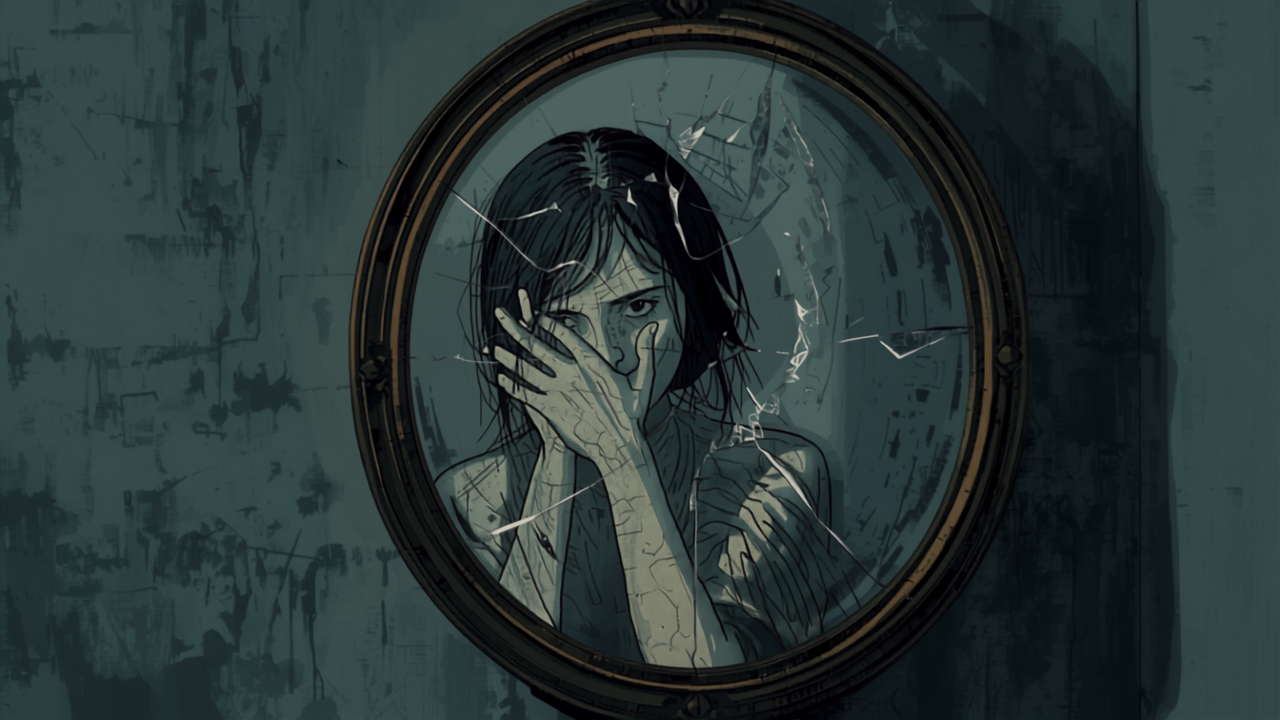
Understanding why we resist therapy and the uncomfortable path toward healing
Therapy is often presented as something people should seek when they are struggling, but that explanation misses an important part of the story. Many people do not reject therapy because they believe they have no problems. They reject it because they are uncomfortable with what looking closely at themselves might reveal.
There is a difference between living with a problem and examining it. Living with emotional pain can eventually become familiar. You learn how to function around it, develop ways to avoid certain situations, and create explanations that allow you to keep moving forward. Examining it requires something more difficult because it asks you to slow down, acknowledge what you feel, question your patterns, and consider whether some of the ways you protect yourself may also be keeping you stuck.
For many people, therapy immediately creates resistance. They may believe therapy is only for people who are “broken,” mentally ill, weak, or incapable of handling their own problems. Others may have grown up in environments where personal struggles were expected to remain private and seeking outside help was viewed negatively. These beliefs can become deeply ingrained, even when they no longer serve the person carrying them.
Yet psychotherapy is not simply about identifying what is wrong with someone. It can help people understand and change troubling emotions, thoughts, and behaviors while developing healthier ways of coping and relating to others. The American Psychological Association describes psychotherapy as a collaborative treatment process that can help people identify and change problematic patterns.
Perhaps the deeper question is not why people dislike therapy. Perhaps the better question is why looking honestly at ourselves can sometimes feel more threatening than continuing to live with what hurts us.
Why the Mirror Can Feel More Frightening Than the Wound
There is something strangely powerful about familiar pain. This does not mean people enjoy suffering. It means that familiar patterns can feel safer than unfamiliar change because we already know how to live with them.
Someone may have learned to avoid difficult conversations, suppress emotions, distrust others, become extremely independent, or remain constantly busy to avoid thinking about uncomfortable feelings. These responses may have developed for understandable reasons. They may once have helped the person feel safe, maintain control, or cope with circumstances they did not know how to handle differently.
The difficulty is that a strategy that was useful in one period of life may become limiting in another.
A person who learned never to trust anyone may have protected themselves from disappointment, but that same belief may later prevent them from developing meaningful relationships. Someone who learned to suppress anger may avoid conflict, but they may also struggle to communicate boundaries. Someone who became extremely independent may develop admirable resilience while becoming uncomfortable receiving support.
Therapy can bring these patterns into view, and that is precisely why it can feel uncomfortable. The mirror does not only reveal the wound. It can reveal the behaviors and beliefs we built around the wound.
This is also why people sometimes become defensive when someone suggests therapy. Defensiveness can protect a person’s sense of identity and emotional safety. If someone has spent years believing that they are simply “strong,” “independent,” or “not emotional,” exploring the origins of those traits can feel like an attack on who they believe they are.
Imagine telling someone, “You shut down whenever you feel criticized.”
They might immediately respond, “I don’t shut down. I just don’t like unnecessary drama.”
The conversation can quickly become an argument about identity instead of an exploration of behavior. Therapy can create an opportunity to step outside that defensive cycle and ask a different question: What happens inside me when I feel criticized, rejected, ignored, or misunderstood?
That question requires honesty, and honesty is not always comfortable.
Why Knowing Yourself Is Not Always Enough
Self-awareness is valuable, but understanding a pattern does not automatically change it.
A person can recognize that they become defensive during disagreements and still continue reacting defensively. Someone can understand that they repeatedly choose unhealthy relationships and still find themselves drawn toward the same dynamics. Another person can know that stress causes them to withdraw, yet continue withdrawing whenever life becomes overwhelming.
Human behavior is influenced by emotions, habits, learned associations, automatic responses, and the environment around us. Knowing what we should do does not always make it easy to do something different.
This is one reason therapy can involve more than simply talking about the past. Depending on the therapeutic approach and the person’s needs, therapy may involve developing coping strategies, challenging unhelpful thinking patterns, improving communication, learning emotional regulation, changing behaviors, or gradually facing situations that have been avoided.
The purpose is not simply to understand why you became who you are. It can also involve learning how to respond differently when the old patterns appear.
The person who says, “I can handle it myself.”
Consider Michael, who has spent most of his life solving problems alone. Whenever something goes wrong, he becomes busy. When relationships become emotionally difficult, he withdraws. When someone asks how he is doing, he says he is fine because he has learned that being vulnerable makes him uncomfortable.
From the outside, Michael appears strong. He works hard, fulfills his responsibilities, rarely complains, and almost never asks anyone for help.
Privately, however, he is exhausted.
When someone eventually suggests therapy, his immediate response is that he does not need it because he can handle his own problems.
Perhaps he can.
But another question deserves consideration: Is the way he is handling his problems actually helping him?
Independence is a strength, but believing that you must handle everything alone can become another form of emotional isolation. Seeking professional support does not necessarily replace independence. Sometimes it strengthens it by helping a person develop healthier ways to understand and manage difficulties.
Asking for help does not automatically mean you are incapable. It can mean that you are willing to stop pretending that struggling alone is the only definition of strength.
Therapy Is Not a Verdict on Who You Are
One of the biggest misconceptions about therapy is that going to therapy means something is fundamentally wrong with you.
People can be successful and still struggle emotionally. Someone can be intelligent and experience anxiety. Someone can be disciplined and still have unhealthy relationship patterns. A person can be physically healthy while struggling with grief, emotional exhaustion, stress, or difficult experiences.
Human beings are complicated enough to be functioning and struggling at the same time.
Therapy does not erase your strengths, and seeking support does not automatically define you by your difficulties. It can simply mean that you are willing to understand yourself more deeply and develop healthier ways of responding to life.
At the same time, therapy is not magic. It cannot erase the past, guarantee that relationships will never hurt again, or solve every problem. It also requires time, emotional effort, and sometimes significant financial resources. Discussing difficult experiences can feel uncomfortable, and not every therapist will be the right fit for every person.
That last point is important because a negative experience with one therapist does not necessarily mean therapy itself is ineffective. Finding an appropriately qualified professional and a therapeutic approach that fits your needs can matter considerably.
Therapy should also not be forced on someone simply because another person believes they need it. Genuine psychological support works best when there is trust, collaboration, appropriate boundaries, and willingness to participate.
From Coping to Healing
Perhaps one of the most important distinctions is the difference between coping and healing.
Coping helps you function despite difficulty. Healing involves understanding and addressing patterns that continue to create distress or interfere with your life.
For example, staying constantly busy may help someone avoid painful thoughts. Emotional detachment may protect someone from rejection. Perfectionism may create a temporary sense of control. Avoiding relationships may reduce the possibility of being hurt.
These strategies can provide short-term relief, but they may create long-term limitations when they become the only ways a person knows how to respond.
Therapy can help someone examine whether those strategies are still serving them.
The goal is not necessarily to eliminate every coping mechanism. The goal is to develop more flexible and healthier ways of responding.
This is where therapy can become a path rather than a label. It can help a person move from simply surviving their emotional patterns toward understanding them and, when possible, changing them.
Why We Sometimes Protect What We Want to Heal
People often say they want to change, but meaningful change can threaten the identity they have built around their experiences.
Someone may say they want healthier relationships but remain attached to the belief that trusting people is dangerous. Another person may want peace but continue using anger as their primary form of protection. Someone may want connection but repeatedly push people away whenever vulnerability appears.
The contradiction is not necessarily hypocrisy.
Sometimes it is the result of competing needs. One part of the person wants change, while another part is still trying to protect them from something it perceives as dangerous.
Therapy can provide a space to examine that conflict without simply judging it.
Instead of asking, “Why am I like this?” the person can begin asking, “What is this behavior trying to protect me from?”
That question can create a completely different relationship with oneself.
Understanding the origin of a pattern does not excuse harmful behavior, but it can provide information that makes change more possible.
Final Verdict
Perhaps we fear the mirror more than the wound because the wound is familiar.
We know how to live around familiar pain. We know how to minimize it, hide it, explain it, and sometimes build parts of our identity around it. Looking into the mirror requires something more difficult: honesty.
It asks us to consider that some behaviors we call personality may actually be learned responses. It asks us to question beliefs we have carried for years and acknowledge emotions we would rather avoid. Most importantly, it asks us to consider whether the methods we developed to protect ourselves are still helping us live the life we want.
That does not mean everything that happened to us is our fault.
It means that understanding ourselves can give us greater freedom over what happens next.
Therapy is not a declaration that you are broken. It can be a structured opportunity to understand yourself, examine your patterns, develop healthier coping strategies, and work toward meaningful change. It is also only one possible form of support, and people may benefit from different combinations of professional care, supportive relationships, healthy routines, education, and other resources.
You do not have to wait until your life is falling apart before considering psychological support. You also do not have to pursue therapy simply because someone tells you that you should. The decision should be personal, informed, and appropriate to your circumstances.
But if you have rejected therapy because you believe asking for help means weakness, it may be worth examining that belief itself.
Maybe therapy is not about proving that something is wrong with you. Maybe it is about becoming curious enough to understand what is happening within you.
The mirror may show you things you would rather not see.
But sometimes, seeing clearly is the beginning of changing what you once believed could never change.
Leave a Reply